Men's Alcohol Addiction Treatment
in Los Angeles, California
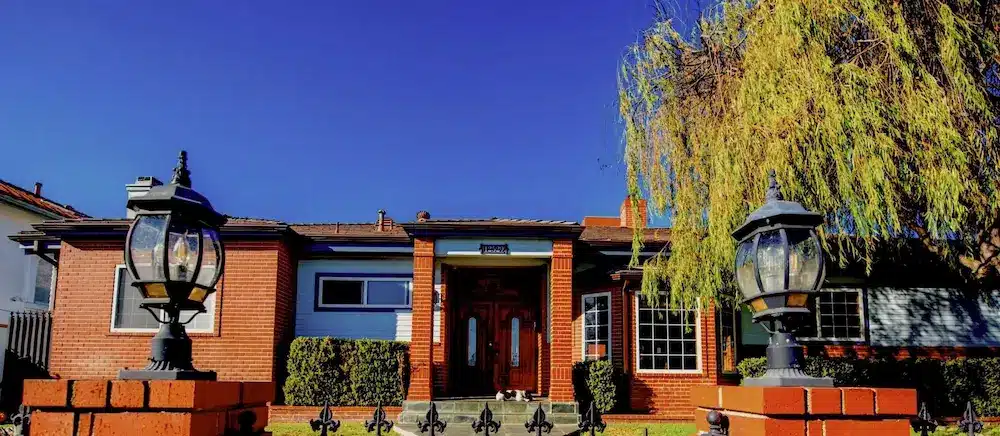
Located in West Los Angeles, The Last House provides structured sober living for young men ages 18 to 35 dealing with alcohol addiction and co-occurring mental health conditions.
We integrate outpatient treatment programs, clinical care, and 24/7 on-site support.
Alcohol Addiction Treatment in Los Angeles for Young Men
Our alcohol addiction treatment in Los Angeles supports young men ages 18 to 35 struggling with alcohol addiction, dual diagnosis, and repeated relapse cycles. Many residents come to us after prior residential treatment or years of “failure to launch”.
We provide long-term, structured sober living in West Los Angeles, California. Residents typically stay in the program for about one year while receiving 24/7 on-site support, peer accountability, and a stable environment for long-term recovery.
Most residents begin with a partial hospitalization program (PHP) and gradually move toward greater independence. Our step-down model helps young men improve emotional stability and reintegrate into daily life with continued support.
A Structured Path to Long-Term Recovery
Long-term recovery requires structure, accountability, and enough time for healthy routines to become consistent. Our residents follow a routine that includes treatment, meetings, house responsibilities, peer support, and gradual progress toward autonomy. Repetition and consistency allow them to build routines and coping skills for life outside the program.
When Alcohol Use Becomes Cyclical
Many young men enter our treatment center after years of starting over repeatedly – they get sober and relapse after a while. Prior substance abuse treatment may have helped temporarily, but progress often fades without structure. We focus on what happens after early stabilization. Residents practice recovery skills in real life while remaining in a supportive sober living environment.
Dual Diagnosis and Underlying Mental Health
A significant number of young men who struggle with alcohol dependence also live with depression, anxiety, bipolar disorder, or other co-occurring disorders. Residents with a dual diagnosis receive integrated personalized care that addresses the full clinical picture. Staff provide medication management when appropriate, evidence-based therapy, and psychiatric support through our clinical partnership with Thrive.
Why Structure Changes Outcomes
Many young adults leave addiction treatment programs feeling confident, only to realize how challenging daily life can be without structure. Residents follow planned agendas, giving them purpose as they slowly regain trust in themselves. A close-knit recovery community enables them to practice independence while still receiving support.

Why Families Choose The Last House
Families searching for a sober living facility in Los Angeles often want more than a bed in a group home. They want to know their son is supervised, supported clinically, and moving toward a new life he can sustain on his own. The Last House delivers a recovery program on that standard.
Integrated Clinical Care
Residents begin with structured outpatient treatment through Thrive’s PHP and IOP programs while living at our sober living homes. This partnership ensures clients receive both clinical addiction treatment and a stable sober living environment during early recovery.
A Structured Program Designed for Long-Term Recovery
We operate as a year-long transitional sober living program, allowing residents to build stability, practice relapse-prevention skills, and gradually return to work, school, or independent living.
Peer-Led Support From Alumni Staff
All our staff members are alumni in recovery, providing authentic mentorship and accountability rooted in lived experience. This peer-based model helps residents feel understood while reinforcing daily recovery practices.
Life Skills and Vocational Reintegration
Residents receive hands-on support with job searches, resume development, academic enrollment, and vocational planning. Our sober living particularly helps many young men with a “failure to launch” pattern — a history of starting but not sustaining employment, education, or independent functioning.
A Close-Knit Recovery Community in Los Angeles
We house up to 20 residents at a time, which is intentionally limited. Residents develop stronger connections in smaller communities with peers who are also committed to sobriety. A community-driven men’s sober living environment helps reduce isolation and strengthens long-term recovery.
More Than 15 Years Serving the Southern California Recovery Community
We have supported young men in recovery in West Los Angeles for over 15 years. Their longevity reflects a trusted reputation, strong alumni network, and a program model focused on lasting sobriety.

How Our Alcohol Rehab Program Works
The recovery process works best when treatment plans match a resident’s current needs. Our program combines sober living with progressive outpatient care for gradual reintegration into independent living.
Step 1: Clinical Stabilization (PHP Level of Care)
Residents begin with PHP while living in a structured sober living environment. This phase includes therapy, psychiatric support, medication management, and evidence-based addiction treatment. Transportation to the treatment facility is included.
We accommodate residents using medication-assisted treatment (MAT), including those managing opioid withdrawal. Our clinical partner provides comprehensive care, including medical detox.
Step 2: Continued Treatment (IOP + Structure)
Clinical progress allows transition into the intensive outpatient program (IOP) and lower levels of outpatient treatment. Residents gain independence while maintaining accountability and therapeutic support through mental health treatment. Many also return to work or school during this phase.
Step 3: Real-World Reintegration
Long-term recovery depends on learning to function consistently every day. Residents gradually take on greater responsibility while remaining connected to the benefits of sober living. Here, we focus heavily on independence, emotional regulation, wellness, and lasting stability. Residents continue strengthening routines that support their well-being.
What Makes This Program Different From Other Rehab Centers in Los Angeles
Many drug rehab centers focus only on short-term stabilization. Our approach focuses on helping residents maintain progress once treatment becomes less intensive and real-world responsibilities return.
Peer-Led, Alumni-Run Environment
Residents are surrounded by staff who have personally experienced recovery themselves. Firsthand experiences foster credibility and practical mentorship in daily life. Young men find here a grounded, supportive community focused on support and responsibility.
Focus on Life Beyond Sobriety
We help residents rebuild confidence in work, academics, relationships, and long-term goals. A holistic approach supports sustainable recovery while helping residents reconnect with their life goals. Our success stories show that our residents see themselves differently as they regain discipline and self-respect.
Built for “Failure to Launch” Young Adults
Executive functioning challenges, isolation, and emotional instability can keep young adults stuck for years. Alcohol addiction and co-occurring disorders often intensify those struggles. Our program helps residents rebuild independence gradually through structure, accountability, and daily practice. Residents begin learning to manage responsibilities rather than avoid them.
Established Presence in West Los Angeles
Our treatment programs have supported young men in recovery for more than 15 years. We’ve earned the trust of families throughout Los Angeles County because our model produces consistent results for their loved ones. Our track record reflects not just longevity, but clinical integrity, high-quality healthcare, and a community that remains engaged after residents complete the program.
Transitional Sober Living With Clinical Integration
Most addiction treatment programs offer sober housing without meaningful clinical support. These treatment facilities usually provide outpatient care without enough structure. Our addiction treatment center combines sober living with outpatient treatment and clinical integration. We break the standard by bridging addiction treatment with independent living skills.
Long-Term, Structured Model (Not 30–90 Days)
Many alcohol and drug rehab programs last 30 to 90 days. While those programs can help with stabilization, many young adults need additional time and structure before returning to independent life. Our long-term model allows residents to build consistency slowly. Extra time often makes the difference between temporary progress and sustainable change.
Core Elements of Alcohol Addiction Treatment
A structured, clinically grounded approach is what separates short-term sobriety from lasting recovery. Our program delivers integrated clinical care, evidence-based treatment, and structured sober living for lasting results.
Evidence-Based Therapies
Our clinical programming addresses both substance use and behavioral health. Residents participate in cognitive-behavioral therapy (CBT), dialectical behavior therapy (DBT) skills training, and motivational interviewing — research-backed therapies that help residents identify behavioral patterns and understand emotional triggers. These therapies follow the Joint Commission and the Department of Health Care Services standards.
Dual Diagnosis Treatment
Addressing alcohol addiction alongside co-occurring mental health issues simultaneously produces better clinical outcomes. Our integrated approach ensures that emotional health and substance use are managed as one unified action. Residents build stronger emotional stability and healthier coping skills.
Medication Management
Clinical staff carefully monitor and adjust medications only when appropriate. Every medication protocol is adapted to each resident’s needs. Psychiatric support and addiction treatment are coordinated within the same dual diagnosis framework.
Relapse Prevention Planning
Sustained recovery requires practical skills for managing daily responsibilities and life expectations outside a rehab center. Residents develop and refine those skills throughout every phase of the program rather than addressing them at discharge. When setbacks occur, the focus remains on strengthening and adjusting the plan.


Daily Life in a Structured Recovery Environment
A consistent, structured environment helps residents replace the patterns of active addiction with healthy habits. Every element of our schedule serves a clinical or developmental purpose. A young man leaves the program with a functional toolkit already tested and practiced.
Weekday Schedule
Daily life at our sober living begins around 7:30 a.m. with meditation, house responsibilities, and preparation for PHP or IOP sessions. Treatment runs during the day with clinically structured sessions. Night hours include recovery meetings, peer support, and structured accountability activities.
Evenings: Accountability & Peer Support
Residents reconnect at night within a supportive community after day treatment ends. House meetings, 12-Step participation, and peer conversations provide support during critical hours. Consistent evening connection becomes one of the most meaningful sources of motivation and accountability.
Weekends: Balance and Real-Life Exposure
We maintain our structure during weekends, while offering residents meaningful exposure to recreational life outside the clinical setting. Residents partake in planned outings, including hikes, beach trips, fitness and wellness activities, and community events throughout Los Angeles County. Sundays focus on family connection, rest, and self-reflection.
Take the First Step Toward Recovery
If you or a loved one is struggling with alcohol addiction, structured support can make the difference between short-term progress and lasting recovery. Our team is here to answer your questions, walk you through treatment options, and help you get started.
Conditions Treated in Our Alcohol Rehab Program
Most young men who come to us aren’t dealing with just one health challenge. We specialize in providing professional and compassionate care for a range of disorders.
Alcohol Use Disorder
Getting sober from alcohol is where our program starts— and daily structure is designed to make that happen. Residents attend PHP or IOP, working through evidence-based therapies to address what’s driving the drinking. Evenings focus on 12-Step meetings and house check-ins, guided by alumni staff.
Co-Occurring Mental Health Disorders
Anxiety, depression, bipolar disorder, OCD, and schizoaffective disorder aren’t treated as separate from addiction. Residents work with therapists and access medication management as part of the program. Our predictable dynamic, peer support, and staff interventions reduce the emotional dysregulation that often gets mistaken for an untreatable condition.
Polysubstance Use and Drug Addiction
Many residents arrive managing opioid dependence, stimulant use, cannabis dependence, or combinations of substances alongside alcohol. Our clinical approach accounts for the full picture — not just the primary substance. Treatment is tailored to each resident’s clinical history.
Substance-Induced Mental Health Symptoms
Paranoia, mood instability, psychosis, and emotional dysregulation caused or worsened by long-term substance use disorder (SUD) are addressed through our clinical team. Medication management is available where appropriate, and modalities like CBT and DBT teach residents to manage emotional dysregulation as they stabilize.

When to Seek Alcohol Addiction Treatment
Many young men delay getting help because maybe a previous treatment experience didn’t work, or they don’t feel ready. Most of the young men who come to The Last House experience for the first time the right combination of structure, clinical care, and community.
Signs Alcohol Use Has Become a Problem
Missing work or school, drinking in secret, blackouts, mood swings, financial problems, and repeated broken promises are common signs that alcohol is out of control. Many young men also begin isolating from family and friends. Withdrawal symptoms, increased tolerance, and drinking to feel “normal” can signal dependence.
When Mental Health and Alcohol Intersect
Many men use alcohol to cope with anxiety, depression, panic, trauma, or emotional instability. Drinking may seem like a way to relax or escape. However, over time, it worsens mental health and daily functioning. Young men struggling with dual diagnosis may experience impulsive behavior, emotional shutdown, paranoia, hopelessness, or sudden changes in mood and motivation.
When Prior Treatment Hasn’t Worked
Many young men relapse after returning to the same environment that contributed to substance use in the first place. Others leave rehab motivated but lack the structure needed to maintain consistency in the real world. A long-term sober living program provides accountability and continued support during the transition back into everyday life.

Additional Support for Long-Term Recovery
Recovery becomes more sustainable when young men learn how to manage daily life without relying on alcohol or drugs. Our program focuses on helping them build structure, responsibility, and solid support systems.
Life Skills and Vocational Support
Residents receive practical support with resumes, job searches, interview preparation, school enrollment, and life skills. As structure becomes consistent, many begin rebuilding confidence in their ability to manage responsibilities.
Family Involvement and Boundaries
Families receive guidance around communication, healthy boundaries, and reintegration throughout the recovery process. Structured support helps families move away from crisis management and toward healthier long-term dynamics.
Aftercare and Continued Support
Leaving a structured environment too quickly can increase relapse risk. Transition planning begins early in the program instead of waiting until discharge. Residents build relapse prevention strategies, recovery routines, and support systems that stick after leaving sober living. Our residents maintain stability as independence gradually increases.
Recovery Community and Alumni Network
Residents remain part of a strong recovery community that continues beyond their time in the house. Many alumni stay involved through meetings, mentorship, and community events. Continued social connections help reinforce accountability, support, and long-term sobriety as they move forward.
A Supportive Environment for Lasting Change
Recovery becomes more sustainable when people feel supported and connected to something larger than themselves. The Last House helps young men move beyond crisis management and begin building lives with responsibility and purpose.
FAQs
What levels of care are included in alcohol addiction treatment?
Residents typically begin with PHP and transition into IOP as they show progress. Our program combines sober living with structured clinical support at every level of care throughout the recovery journey.
Do I need detox before starting treatment?
Some residents require detoxification before entering the program, especially if withdrawal symptoms are severe. We can help coordinate appropriate care before admission if needed.
How long does alcohol rehab last?
Most of our residents remain in the program for about one year. This timeline allows enough time to build structure, emotional stability, and long-term recovery habits.
Is this inpatient or outpatient treatment?
Residents live in sober living housing while participating in outpatient treatment services. Our model combines structured living with clinical care and gradual independence.
Do you treat dual diagnosis and mental health conditions?
Yes. Co-occurring mental health disorders, including depression, anxiety, bipolar disorder, OCD, and schizoaffective disorder, are treated alongside alcohol addiction through integrated dual diagnosis treatment.
Can families be involved in treatment?
Yes. We offer family therapy, education, boundary-setting guidance, and reintegration planning throughout the year. Families are part of their loved one’s recovery journey.