
Sober Living Homes for Men in West Los Angeles, California
The Last House offers sober living homes for men between 18 and 35 dealing with substance use disorders in Mar Vista, West Los Angeles. Our structured sober living program connects young adult men to Thrive Treatment’s outpatient treatment program in Santa Monica to help them develop a healthy, independent life in sobriety.


Inside The Compound: A Structured Sober Living Home in West Los Angeles
Completing detox or inpatient rehab is not the finish line. For most young men, it's the most vulnerable point in addiction recovery. Our sober living facility provides the structure, accountability, and peer support that early sobriety requires.
The Compound is the flagship sober living house operated by The Last House — one of the best-established sober living homes for men in Los Angeles. For over 15 years, The Last House has helped young men move through early recovery and into independent, productive lives. Our track record reflects a deliberate, structured model designed to address the unstructured time, isolation, and absence of accountability that drive early relapse.
Located in Mar Vista at the heart of West Los Angeles, The Compound places residents within close reach of treatment centers, 12-Step meetings, and outpatient programs throughout greater Los Angeles. Life here is peer-driven by design. Residents work the same program, follow the same expectations, and hold each other accountable every day.
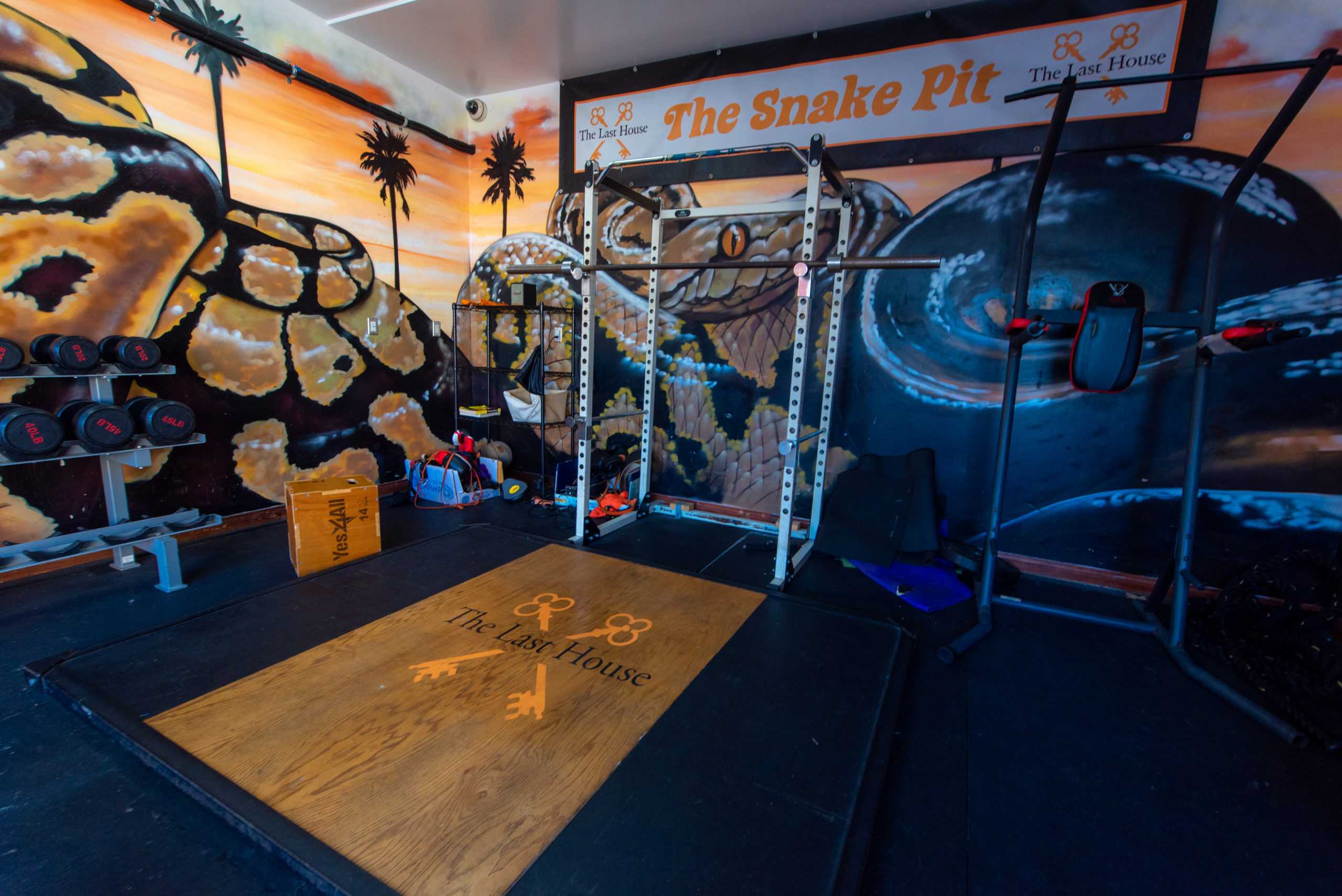
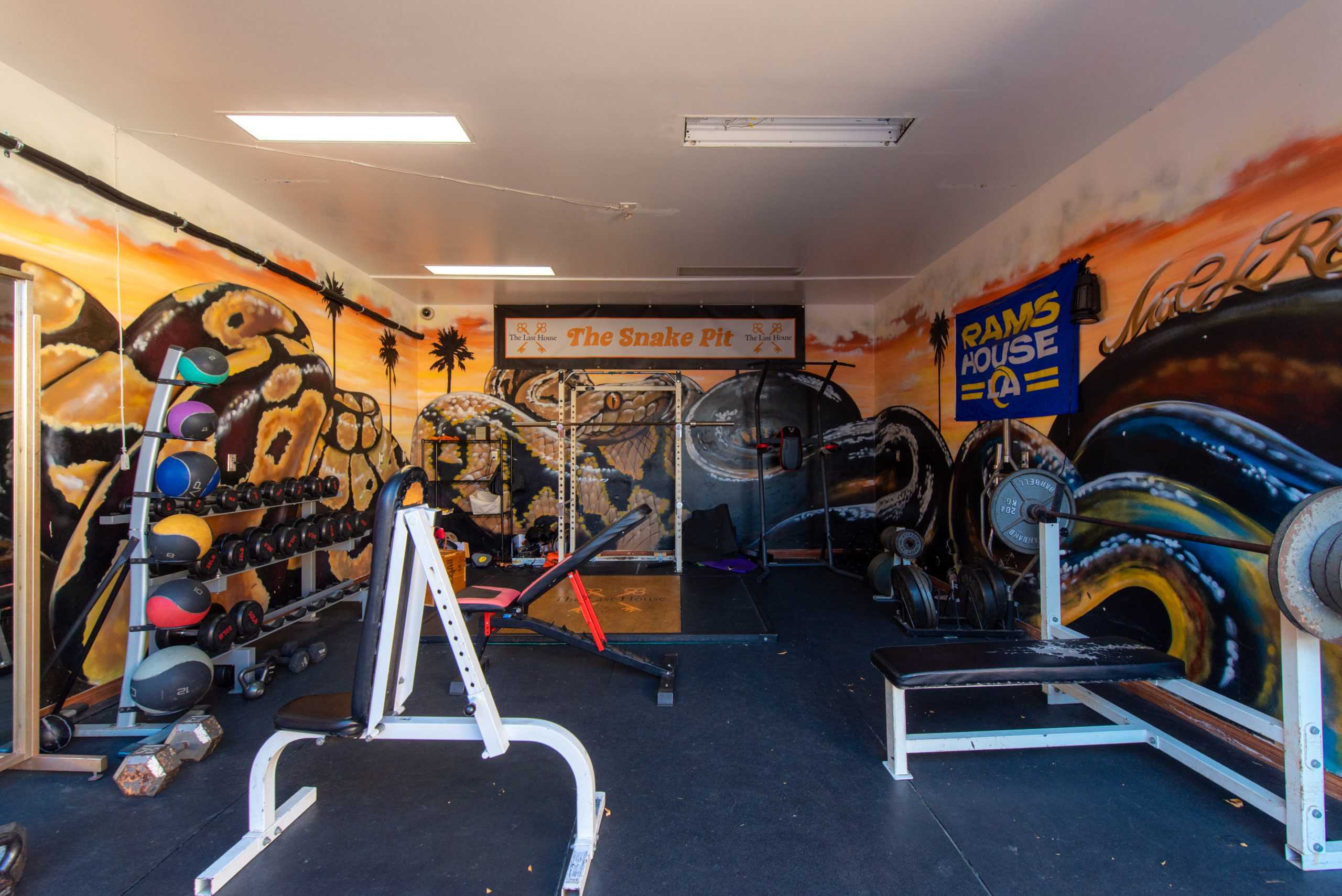
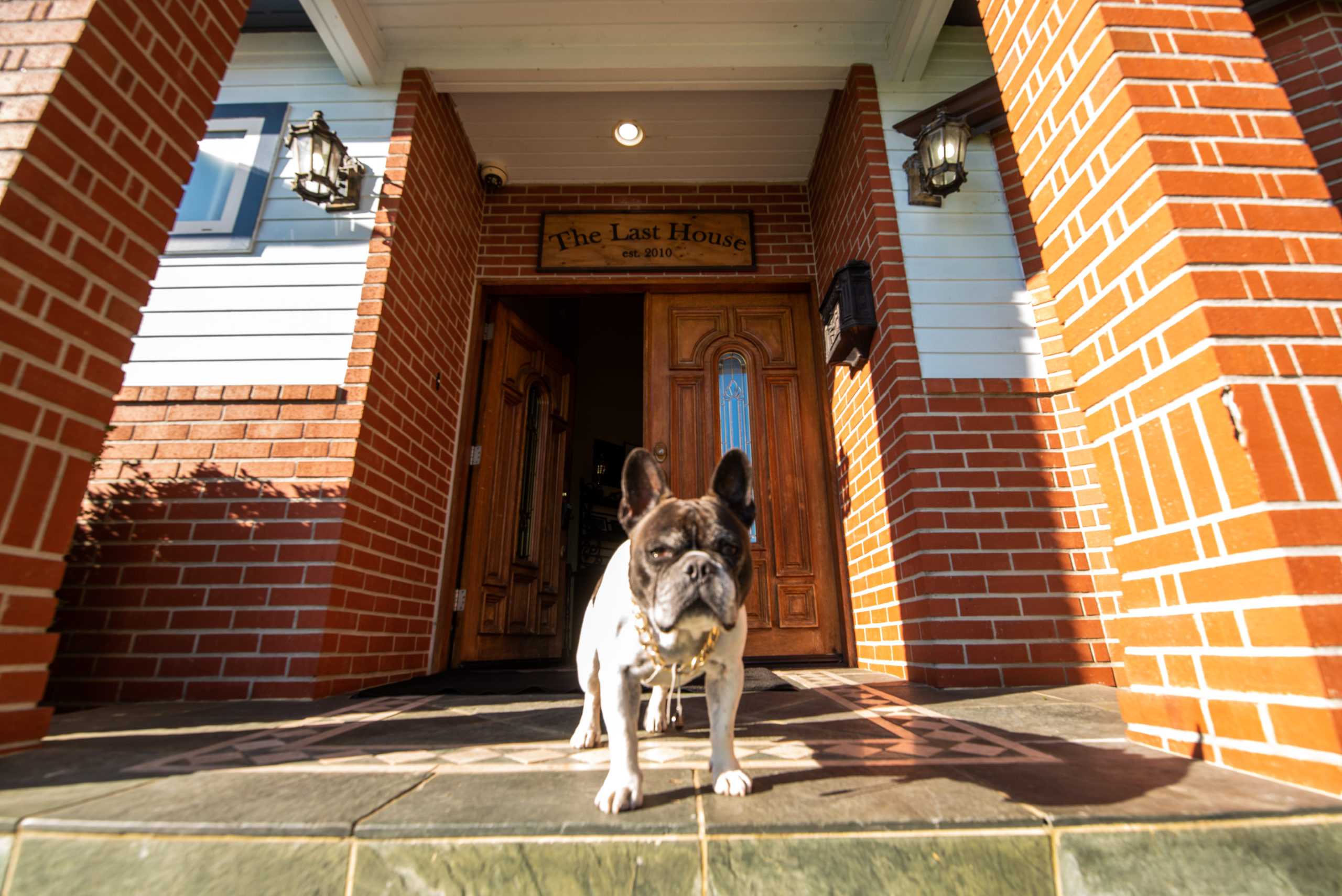
Take a Tour of The Compound

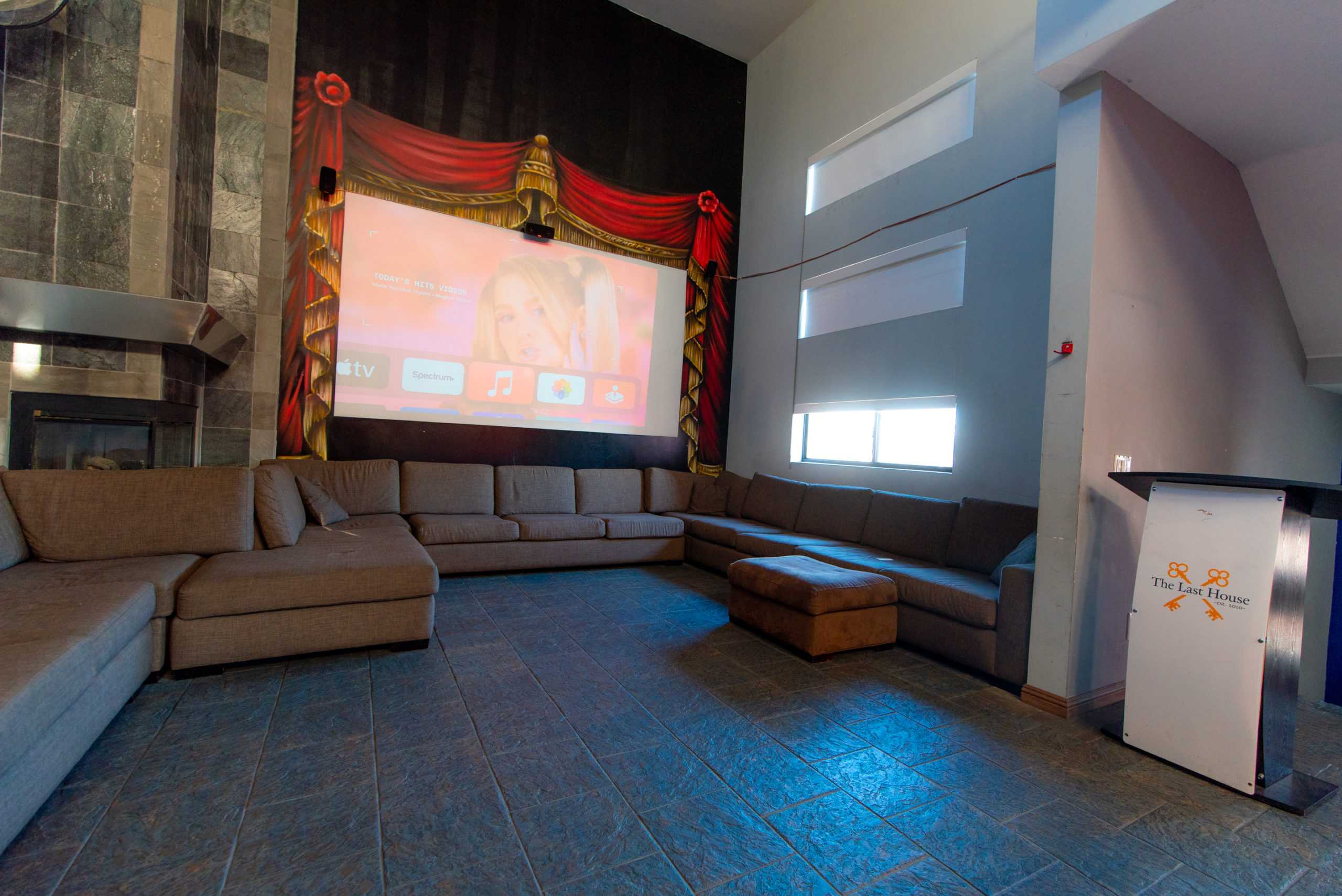
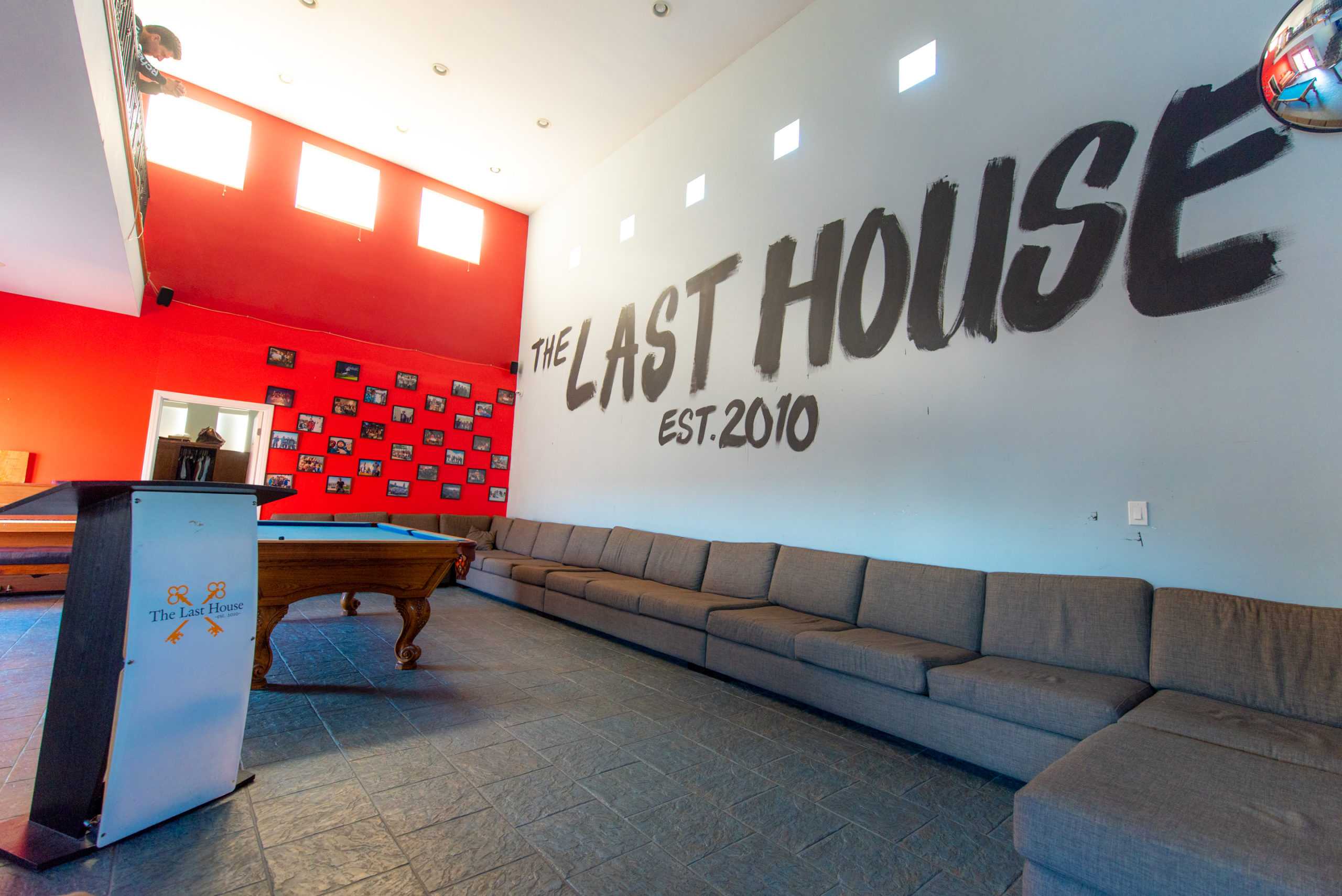


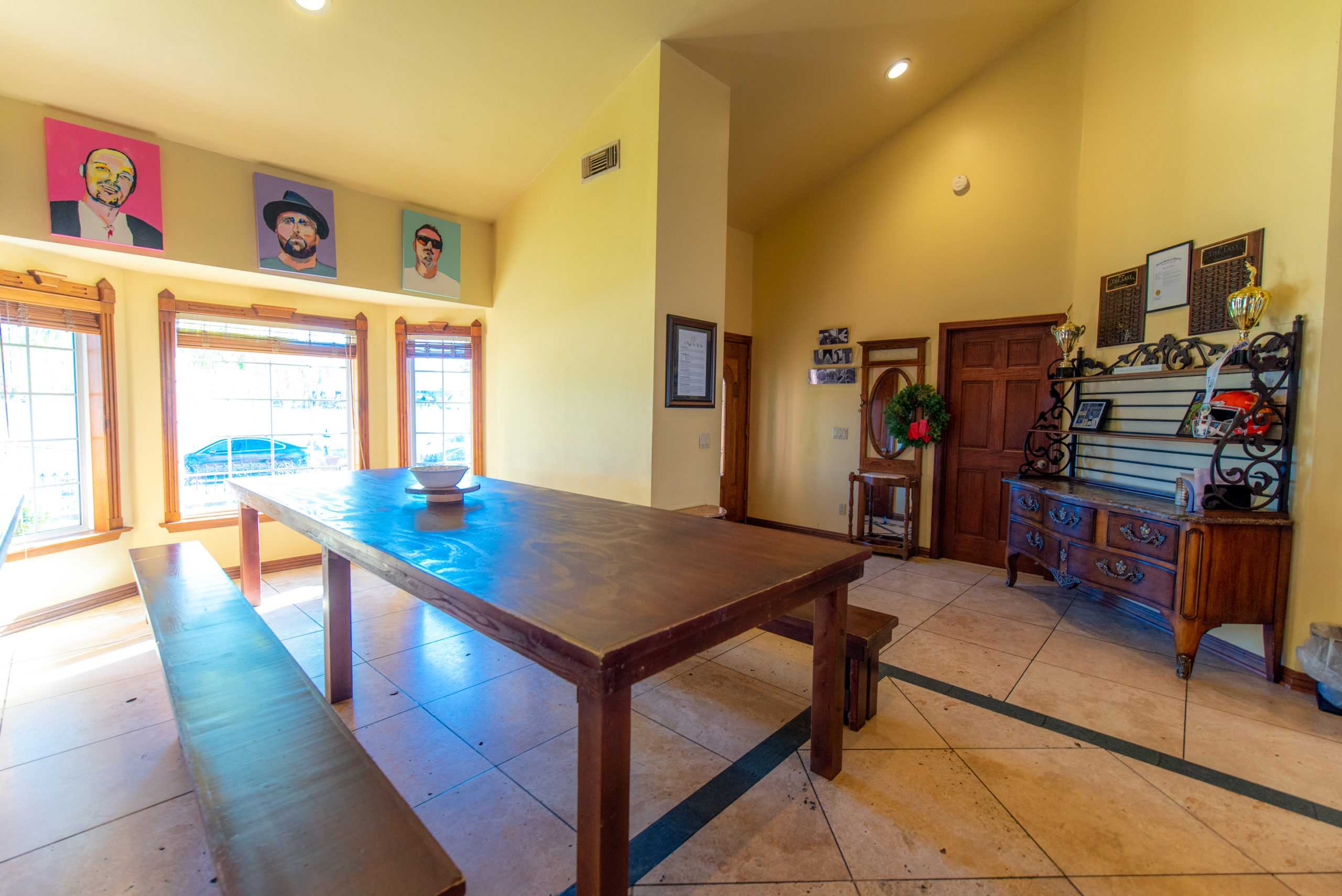
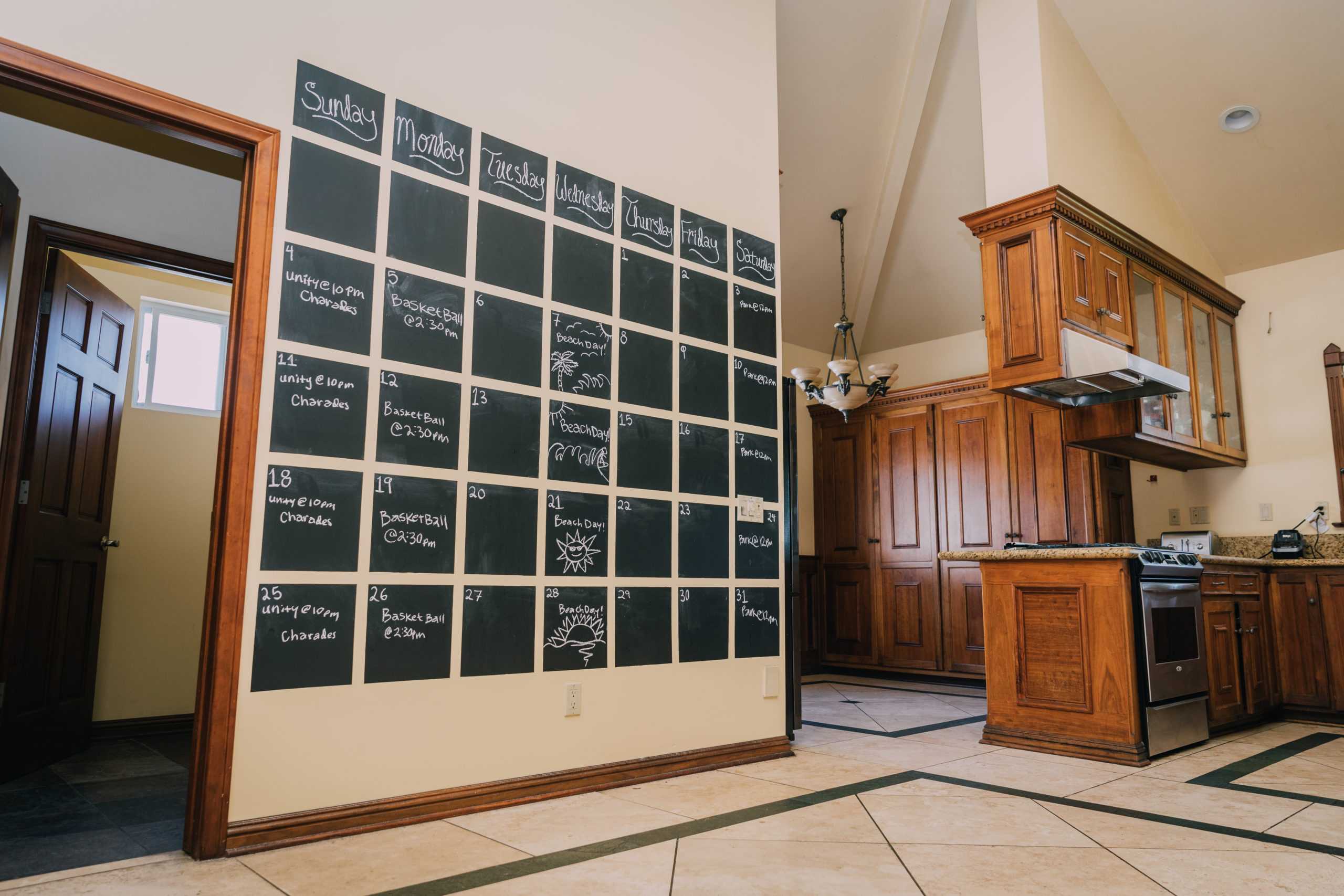
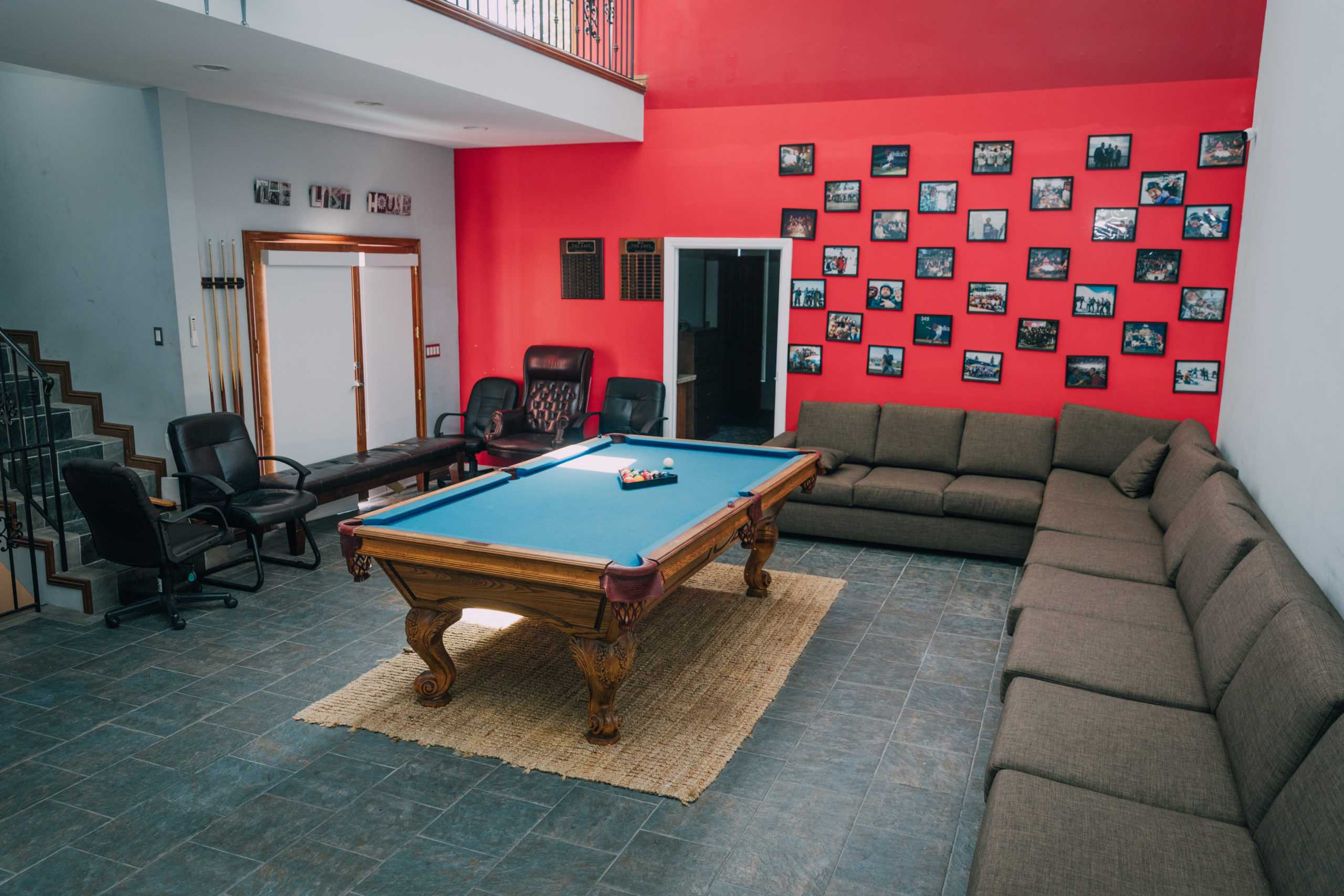
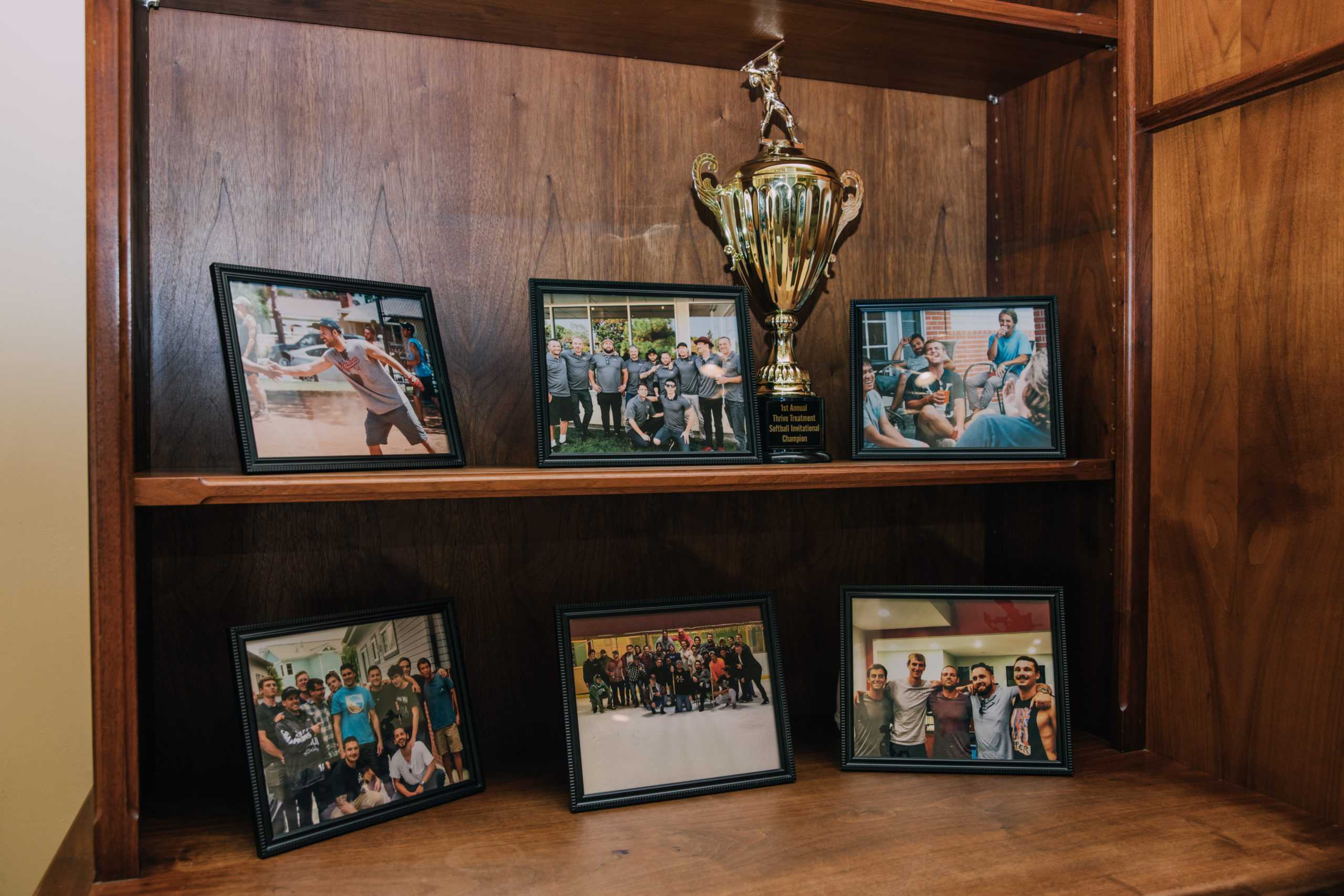
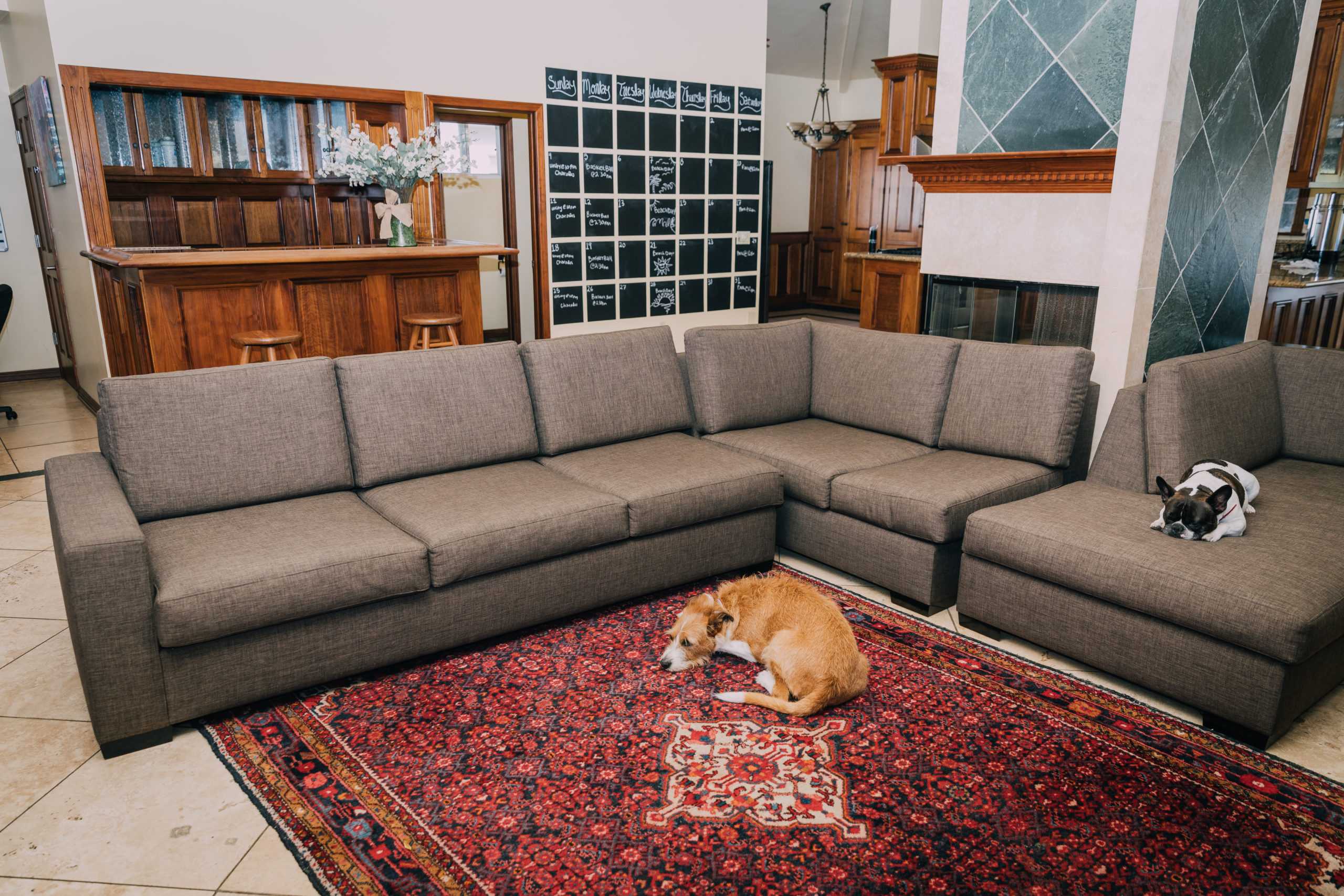

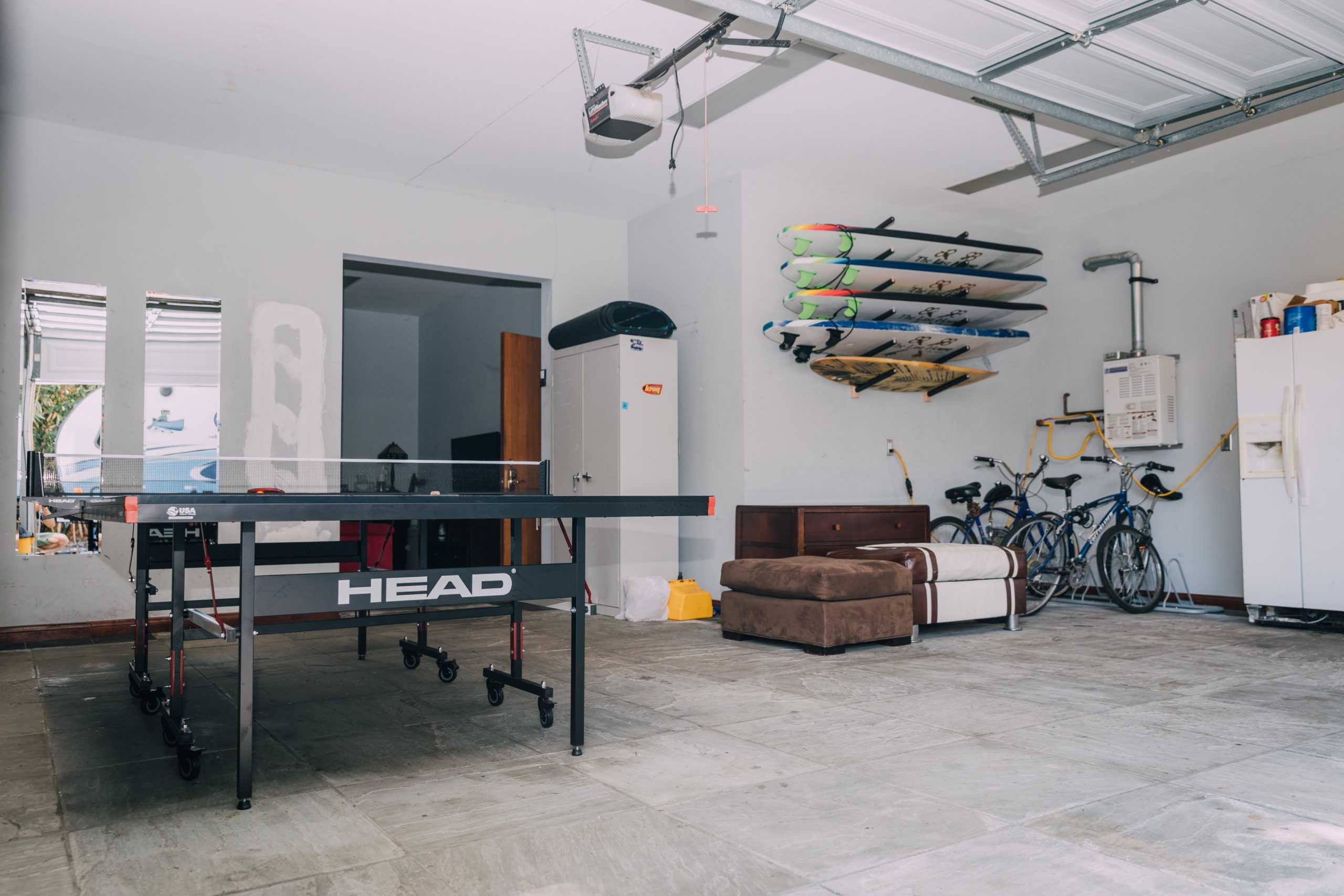
A Three-Phase Sober Living Program Designed for Long-Term Recovery
Our three-phase sober living program ensures a gradual transition toward independent living; sudden freedom can often lead to relapse. Each phase increases the resident’s independence over time. This model allows young men to build confidence while maintaining safety and support systems.
Phase one focuses on stabilization and clinical immersion. New residents attend a partial hospitalization program (PHP) or intensive outpatient program (IOP) at Thrive Treatment in Santa Monica, where they receive structured therapy for substance use disorders and co-occurring mental health conditions. The Last House provides transportation to the clinical campus, and staff maintain the highest level of accountability during this phase.
Phase two introduces vocational and academic reintegration. As residents achieve stability, they begin pursuing employment or school enrollment with active support from case managers. Independence grows during this phase, but residents continue attending house meetings and 12-Step programs — testing sobriety in real-world scenarios while returning to a supervised environment each night.
Phase three prepares residents for the transition to fully independent living. Men in this phase take on mentorship roles within the house, supporting newer residents while refining their own boundaries and financial management skills. By the time a resident completes the program, he holds a job, maintains a support network, and carries the life skills to sustain his well-being.

Why Families Choose The Last House
Families searching for a sober living facility in Los Angeles often want more than a bed in a group home. They want to know their son is supervised, supported clinically, and moving toward a new life he can sustain on his own. The Last House delivers a recovery program on that standard.
Integrated Clinical Care With Thrive Treatment: Residents begin with structured outpatient treatment through Thrive’s PHP and IOP programs while living at The Last House. This partnership ensures clients receive both clinical addiction treatment and a sober, supportive environment during early recovery.
A Structured Program Designed for Long-Term Recovery: The Last House operates as a year-long transitional sober living program. This length allows residents to build stability, practice relapse prevention skills, and gradually return to work, school, or autonomous living.
Peer-Led Support From Alumni Staff: All staff members at The Last House are alumni in recovery, providing authentic mentorship and accountability rooted in lived experience. This peer-based model helps residents feel understood while reinforcing daily addiction recovery practices.
Life Skills and Vocational Reintegration: Residents receive hands-on support with job searches, resume development, academic enrollment, and vocational planning. The Last House particularly helps many young men with a “failure to launch” pattern — a history of starting but not sustaining employment, education, or independent functioning.
A Close-Knit Recovery Community in Los Angeles: The Compound houses up to 20 residents at a time, which is an intentionally limited size. Residents develop stronger connections in smaller communities with peers who are also committed to sobriety. This community-driven men’s sober living environment helps reduce isolation and strengthens long-term recovery.
More Than 15 Years Serving the Southern California Recovery Community: The Last House has supported young men in recovery in West Los Angeles for over 15 years. Our longevity reflects a trusted reputation, strong alumni network, and a program model focused on wellness and lasting sobriety.
Life at The Compound: Structure, Accountability, and Daily Routine
Daily life at The Compound is designed to mirror a productive, healthy lifestyle. Structure is a transformation factor; it replaces the uncertainty of active addiction.
Residents follow a daily schedule that begins at 7:30 AM with a wake-up call and morning meditation. After completing their chores, residents head to Thrive by 9:30 AM for therapy sessions through 3:30 PM. Afternoons and evenings include house programming, peer activities, and additional recovery meetings. Weekends follow a modified schedule with recreational activities and family get-togethers.
Shared living spaces teach residents how to navigate interpersonal relationships. Living with others requires communication and compromise, and full participation in all household activities is always expected. This includes attending evening 12-Step meetings and participating in group reflections. The routine becomes a habit that carries over into their lives after the program.
A Substance-Free Environment in West Los Angeles
The Compound operates as a fully substance-free environment — no exceptions. Safe, sober housing is the foundation of early recovery.
Men cannot stabilize in clinical programming if they return each night to an environment where substances are present or accessible. The Compound removes that variable entirely, providing residents with a secure, structured environment where they can engage in the recovery journey without interference.

House Rules That Support Recovery
The Compound maintains clear, non-negotiable house rules. Residents follow set curfews, submit to random drug testing, and maintain full sobriety at all times — any use of alcohol or drugs results in immediate discharge.
Clients attend all scheduled programming, house meetings, and complete assigned chores as active contributors to the shared living environment. These expectations are not arbitrary. Each one exists because the research on early recovery is clear: structure reduces relapse, and accountability reinforces it.
House Meetings and Peer Accountability
Meetings in the house are held regularly and serve as the center of community life at The Compound. Residents check in, address conflicts, celebrate progress, and hold each other accountable to program expectations.
Staff facilitates these meetings, but residents drive them. Peer accountability is more effective than top-down supervision because it builds the skills men will need when they leave the program — the ability to communicate honestly, set boundaries, and support the people around them.

Integrated Addiction Treatment and Outpatient Support
The partnership between The Last House and Thrive Treatment is the clinical backbone of the program. Most sober living homes for men provide housing and refer residents to an outside treatment center. Our program sets a different standard.
The Compound and Thrive Treatment operate as an integrated system — one providing the residential structure and peer community, the other providing evidence-based clinical care.
Residents typically begin their time at The Compound in PHP at Thrive, attending structured clinical programming five days per week. As they demonstrate stability, they transition into IOP — a less intensive level of outpatient care that still provides therapy sessions, dual-diagnosis support, medication management when indicated, and clinical oversight.
Life Skills and Case Management for Independent Living
Recovery requires more than abstinence — it requires the ability to live independently. Case management at The Last House equips residents with the practical skills and external coordination needed to function independently after completing the program.
Managers work with residents on employment search and job readiness, including resume development, interview preparation, and job placement support. Residents with academic goals receive support in coordinating school enrollment and connecting with vocational rehabilitation resources, including the California Department of Rehabilitation.
Legal issues are also common among men entering our sober living homes. These issues get addressed through appropriate referrals and coordination. As the program progresses, residents take ownership of their own finances and responsibilities.
Residents also build routines around nutrition, physical health, and personal accountability. The Last House partners with a personal trainer and nutrition support services to reinforce physical wellness as a core component of long-term recovery.
12-Step Community and Recovery Support in Los Angeles
West Los Angeles is home to one of the most active and accessible Alcoholics Anonymous (AA) communities in the country. The Last House makes full use of that advantage.
Residents attend outside 12-Step meetings regularly as part of their treatment program requirements. Meeting attendance is not optional — it is a core component of the recovery model.
Sponsorship is strongly encouraged from the start of the program. Connecting with a sponsor provides each resident with a one-on-one accountability relationship outside the house, a resource they will continue to use after they leave The Compound. Staff actively support residents in finding and working with sponsors who are well-established in the local AA community.
Family Support and Involvement in the Recovery Process
Substance abuse affects the entire family — recovery does too. The Last House treats families as active participants in the recovery process and provides structured support to reflect that. Family members receive regular updates on the progress of their loved one.
The Last House offers family coaching to help parents and residents establish healthy boundaries, understand what recovery demands, and recognize patterns that can unintentionally set a resident back. A family support group connects members with others navigating similar experiences, including families further along in the process who offer perspective grounded in lived experience.
Family involvement supports addiction recovery — it doesn’t recreate the enabling dynamics that often precede treatment. Staff work with each family to find the right level of contact and communication for their loved one’s current stage of recovery. Structured, organized family engagement produces better outcomes for everyone involved.
Alumni Community and Long-Term Peer Support
The Last House alumni network is one of the program’s most distinctive features. Alumni visit the house regularly — for dinners, house outings, and informal check-ins with current residents. Many alumni become sponsors for men currently in the program, providing one-on-one mentorship rooted in lived experience. Some go on to work in the addiction recovery field.
This ongoing alumni engagement creates something most sober living homes for men cannot offer: visible, concrete proof of what long-term recovery looks like. Current residents see men who completed the program, built careers, maintained relationships, and sustained sobriety for years.
The alumni network also extends support to graduates navigating the transition to independent living. Over time, The Last House becomes a professional and personal network of men in recovery — one that offers mentorship, accountability, and concrete examples of what long-term sobriety makes possible.

Why Structure Matters in Men’s Sober Living
Many relapses occur when men return to unstructured environments too quickly after detox or inpatient treatment. Discharge returns them to their old life— often with the same triggers, social circles, and none of the daily structure that kept them stable during treatment.
The Last House sober living homes for men offer protective elements of treatment — accountability, peer support, and daily routine — while gradually reintroducing the responsibilities of independent life. Men learn to manage work, relationships, and free time inside a supervised sober living house before they face those demands alone. That progression is what makes the difference between a young man who sustains his recovery and one who returns to treatment.
Independence is the goal. But independence without a foundation is just exposure. Men who move through a structured sober living program develop the habits, relationships, and coping skills that make independent living sustainable.
Sober Living in Mar Vista, West Los Angeles
Mar Vista sits in the heart of West Los Angeles — a residential neighborhood that offers proximity to clinical resources and the inviting environment that supports daily recovery. The Compound draws on everything the location offers, from its walkable streets and mild Southern California climate to its density of AA meetings, home groups, and sponsorship opportunities running throughout the day and evening.
Our location sits minutes from the Thrive Treatment clinical campus in Santa Monica. This short distance makes the integration of residential sober living and intensive clinical care seamless. Residents move between The Compound and Thrive daily, reinforcing the connection between where they live and where they receive treatment.
Mar Vista gives residents access to job opportunities, educational institutions, and outdoor activities throughout greater Los Angeles. The Southern California landscape supports physical wellness as part of recovery — hiking, beach outings, and community activities that The Last House builds directly into the weekend program. Mar Vista provides the clinical density, professional opportunities, and stable environment necessary to sustain recovery for the long term.
FAQs
What is a sober living home for men?
A sober living home for men is a gender-specific, structured, substance-free residential environment designed around the biological, psychological, and social factors unique to male recovery. These homes provide a structured bridge between intensive treatment and independent life, while addressing barriers that mixed settings cannot — including the cultural pressure that discourages men from seeking help or expressing vulnerability.
How is sober living different from a rehab program?
Inpatient rehab delivers 24/7 clinical stabilization in a controlled setting, typically lasting 30 to 90 days. Sober living comes after that — residents live in a structured, substance-free home, attend outpatient treatment, and rebuild daily life over several months. The two levels of care serve different purposes and work best in sequence.
Do residents attend outpatient treatment while living at The Compound?
Yes. Every resident attends outpatient treatment at Thrive Treatment in Santa Monica as part of the program. Residents begin with PHP and step down to IOP as they progress, with The Last House providing daily transportation to and from the Thrive campus. Clinical care and sober living run together as one integrated system throughout the entire program.
How long do people stay in sober living?
Sober living at The Last House is designed to be a year-long transitional program for men.
Do you offer women’s sober living?
The Last House currently provides gender-specific sober living for men. We can provide referrals to trusted women’s sober living homes in the area.
Do you help coordinate detox or residential treatment?
Detox services are not provided on-site at The Compound. However, The Last House can coordinate referrals to detox and residential treatment programs as part of the admissions process. Most residents arrive at The Compound having already completed an initial level of care.
Start Building Long-Term Sobriety at The Compound
The Compound provides a stable environment for young men to move past the “failure to launch” cycle and into a productive life. Our admissions staff can help you determine if our structured, year-long model aligns with your family’s goals. Speak with us today to discuss how our peer-led community helps men rebuild their independence in Los Angeles.
Looking for a Trusted Sober Living? Contact Us 24/7
The Last House provides a high-accountability environment backed by 15 years of experience in the Southern California recovery community. We offer more than just a sober bed; we offer a peer-led ecosystem grounded in lived experience and clinical excellence. Reach out at any time to speak with our alumni staff about our daily structure, house rules, and vocational support.