
Pets can support recovery in powerful ways by providing companionship, structure, and emotional stability during the early stages of sobriety.
Recovery is about so much more than simply putting down drugs and alcohol.
It’s about learning how to live again.
For many people, that means rebuilding relationships, creating healthy routines, finding purpose, and discovering joy in everyday life.
Sometimes, that healing comes from the people around us.
And sometimes, it comes with four legs and a wagging tail.
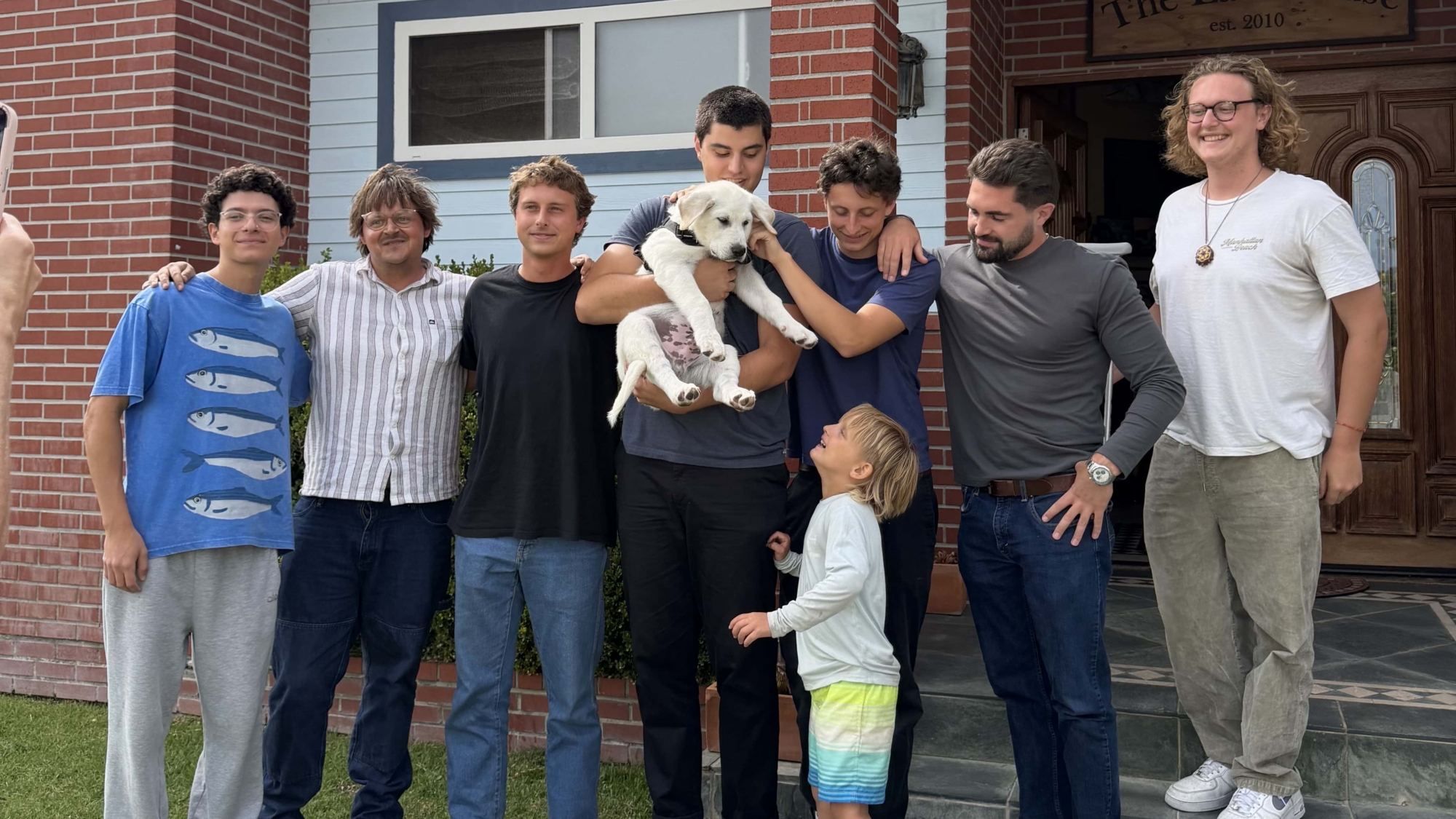
We’re excited to share that The Last House has welcomed its newest member to the family: Maverick, a puppy we met at the AYAC Conference and recently adopted through Big Love Animal Rescue.
While Maverick may be the newest addition to our community, he also serves as a reminder of the important role animals can play in recovery.
Raising Maverick Together
One of the things we’re most excited about isn’t just having Maverick at the house. It’s watching our residents help raise him.
As a puppy, Maverick is learning the world just like many of the men who walk through our doors are learning how to live sober. He’ll need patience, consistency, training, exercise, and lots of love. Taking care of him gives residents another opportunity to practice responsibility in everyday life.
Someone has to take him outside. Someone has to feed him. Someone has to reinforce his training. Someone has to make sure he’s getting the attention and care he needs.
These may seem like small tasks, but recovery is often built through small, consistent actions repeated every day.
Learning to care for something outside of yourself helps rebuild responsibility, accountability, and confidence. It reminds us that our actions matter and that showing up every day, even for the little things, creates lasting change.
Maverick also has a great role model.
Many of our residents already know and love Oliver, our longtime house dog. For years, Oliver has welcomed countless men into The Last House, offering companionship during some of the hardest days of their recovery.
Now, Maverick gets to join Oliver in welcoming new residents and becoming part of the community that makes The Last House feel like home. We have no doubt he’ll bring plenty of energy, laughter, and unconditional love to our community for years to come.
Animals Help Reduce Stress and Anxiety
Early recovery often comes with emotional ups and downs. Without drugs or alcohol to numb difficult feelings, it’s normal to experience stress, anxiety, irritability, or feeling overwhelmed as you learn new ways to cope.
That’s one of the reasons animals can have such a positive impact.
Research has shown that spending time with dogs can help lower cortisol, the body’s primary stress hormone, while increasing oxytocin, sometimes called the “bonding hormone.” These changes can promote feelings of calm, connection, and emotional well-being.
Beyond the science, anyone who has spent time with a dog knows they have a way of pulling you into the present moment. They aren’t worried about yesterday or tomorrow. They’re excited to go for a walk, play fetch, or simply sit beside you.
For someone in early recovery, those moments of connection can be incredibly grounding.
Whether it’s throwing a tennis ball in the yard, taking Maverick for a walk, or being greeted at the door after a difficult day, these small interactions can provide comfort, encourage mindfulness, and offer a healthy outlet for stress.
While a puppy certainly isn’t a substitute for therapy, meetings, treatment, or a strong recovery program, he can absolutely become another source of joy, connection, and emotional support along the journey.
Recovery Is About Learning to Care Again
Addiction often narrows a person’s world.
During active addiction, the focus becomes survival. Daily routines break down, relationships become strained or distant, and responsibilities that once felt manageable can start to disappear altogether. Over time, it can feel like the ability to care for things outside of yourself gets lost.
Recovery helps rebuild that. It teaches people how to care again. Not just in a big, abstract way, but in small, consistent actions that slowly restore structure and meaning to everyday life.
At The Last House, we see this process happen in real time.
Taking care of yourself. Showing up to meetings. Checking in with others. Following through on commitments. These are all ways that residents begin to reconnect with responsibility and rebuild trust in themselves and with others.
Pets can play a meaningful role in that process because they require care that is immediate, simple, and consistent. They need to be fed, walked, trained, and paid attention to regardless of how someone is feeling that day. That responsibility creates structure and helps shift focus outward, which can be especially important in early recovery.
With Maverick, that process will be very hands-on. As a puppy, he will rely on the house for guidance, consistency, and patience. Residents will be part of that learning process, helping him develop routines and reinforcing healthy behavior along the way.
These daily tasks may seem small, but in recovery, small things matter. Making your bed. Going to a meeting. Cooking a meal. Walking a dog. Each action becomes a building block for a more stable and responsible life.
In many ways, learning to care for something else helps reinforce the ability to care for yourself again.
Community Includes Every Member of the House
At The Last House, community is at the center of everything we do.
Whether we’re attending meetings together, hosting our annual softball tournament, going camping, surfing, or simply sharing dinner around the table, recovery is something we experience together.
Now, Maverick gets to be part of that journey too.
He’ll be there to greet residents after long days, join us around the house, and become another familiar face in the community.
Sometimes healing comes through deep conversations with another person. Sometimes it comes through a puppy who’s simply happy to see you.
Welcome Home, Maverick
We first met Maverick at the AYAC Conference and immediately knew there was something special about him.
Thanks to Big Love Animal Rescue, he’s officially part of The Last House family.
We know he’ll bring plenty of energy, laughter, and companionship to the house, and we can’t wait for our residents to experience the joy that comes with having him around.
Welcome home, Maverick.
We’re glad you’re here.
Frequently Asked Questions
Can pets help people in recovery?
Yes. Pets can provide companionship, encourage routine, reduce feelings of isolation, and help people build healthy daily habits during recovery.
Why are routines important in recovery?
Consistent routines create structure and stability, which can reduce stress and support long-term sobriety.
Do animals help reduce stress?
Many people find that spending time with animals helps them feel calmer, more present, and emotionally supported during difficult moments.
Why is community important in recovery?
Recovery is often more sustainable when people are surrounded by supportive relationships, accountability, and meaningful connection. At The Last House, community is one of the foundations of long-term sobriety.