
At The Last House, community is everything. Our structure, accountability, and brotherhood go far beyond meetings and chores — they extend into how we celebrate life together. Halloween is one of those times where that spirit really shines.
Sober Fun That Still Feels Like Fun
At The Last House, recovery doesn’t just mean staying sober — it means learning how to live again. For many men who walk through our doors, the idea of celebrating holidays without alcohol or drugs can feel strange, even impossible. But once they experience their first Halloween here, that changes fast.
Each October, something shifts in the houses. Decorations go up, pumpkins line the steps, and the energy feels different — lighter, more playful. The guys start tossing around costume ideas, planning events, and figuring out how to make each celebration bigger than the last. It’s not just about the holiday itself; it’s about learning to have fun, connect, and build memories in sobriety.

Sober Fun That Still Feels Like Fun
Halloween at The Last House has become a tradition that residents and alumni look forward to every year. The men take pride in creating a full experience — from carving pumpkins and decorating the houses to handing out candy to the entire neighborhood.
You’ll see everything from classic horror movie characters to laugh-out-loud group costumes that only make sense to the guys living together day in and day out. It’s creative, competitive, and genuinely hilarious.
And here’s the best part: nobody needs substances to enjoy it. The laughter is real, the energy is real, and the sense of connection is something you can feel the moment you walk in.
These kinds of events are more than just good times — they’re proof. Proof that you can build a life that’s not only sober, but full. For someone early in recovery, that realization is powerful. It’s one thing to hear that “you can have fun sober.” It’s another thing entirely to experience it — surrounded by brothers who’ve all walked the same path.
Relearning How to Celebrate
Most men come to The Last House after years of associating holidays with chaos. For some, Halloween was an excuse to party. For others, holidays like Thanksgiving or Christmas brought up guilt, shame, and broken family memories.
That’s why our community makes such a point of rebuilding what those days mean. We don’t skip holidays; we reclaim them.
Residents work together to plan activities, cook meals, and create new traditions that focus on inclusion, laughter, and presence. A guy might help lead pumpkin carving for the first time. Another might take pride in hosting a movie night or leading a gratitude share. These small actions build confidence and show them that being part of something bigger — giving instead of taking — feels better than any high ever did.
Celebrating sober holidays teaches more than joy; it teaches emotional regulation, teamwork, and social connection — all skills that recovery depends on.
Community Is the Core
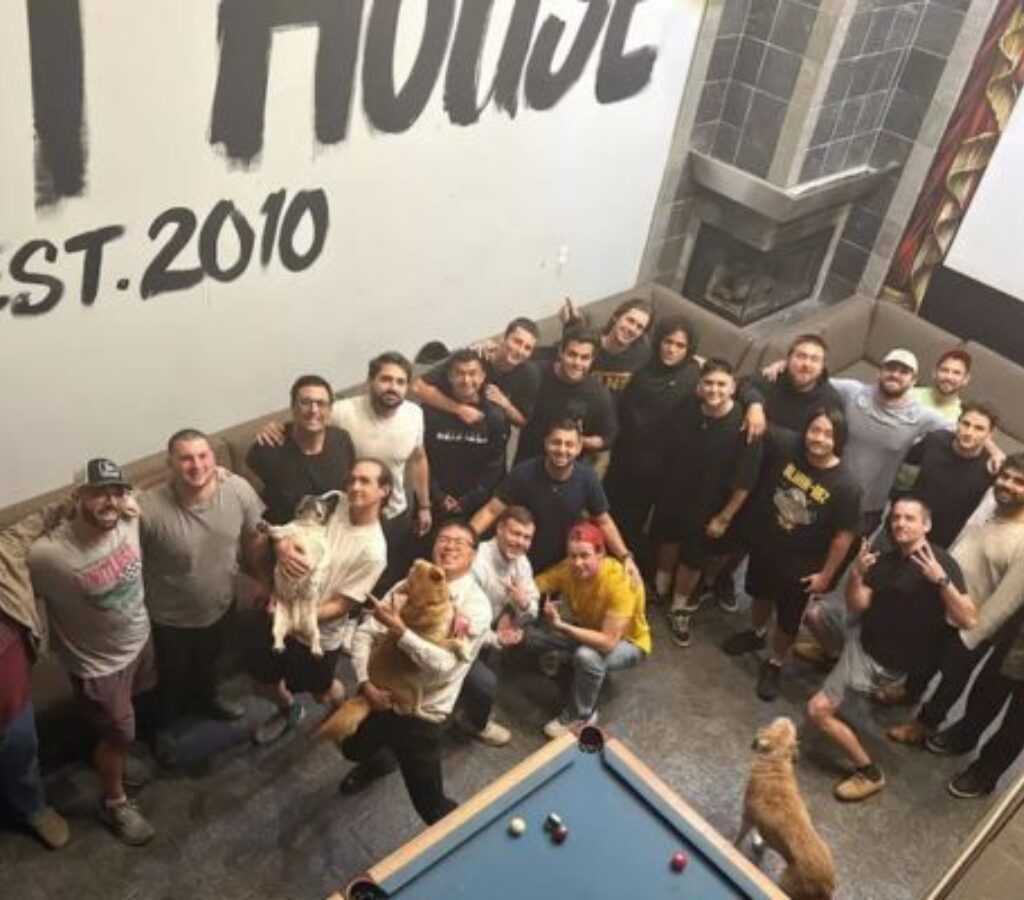
What makes The Last House special is how our guys show up for one another. Holidays are just another chance to live out that principle. When Halloween rolls around, nobody isolates. Everyone participates.
Whether they’re decorating, cooking, or just showing up to support their housemates, every man contributes in some way. Those small acts of participation build community, and community is the lifeblood of long-term recovery.
That brotherhood carries into everything we do — group meetings, house dinners, weekend events, and yes, every holiday. The men begin to understand that connection is the opposite of addiction. When you feel like you belong, you don’t need to escape.

A House That Feels Like Family
Ask anyone who’s spent time in The Last House what makes it different, and they’ll tell you: it feels like home.
That feeling really comes alive during the holiday season. After Halloween, the guys start planning Thanksgiving dinner — a full spread cooked by residents and staff together. There’s gratitude shared around the table, stories, laughter, and sometimes tears. For men who once spent holidays alone or in chaos, that experience hits deep.
Then comes Christmas, where everyone participates in Secret Santa, decorates the house, and focuses on giving rather than receiving. There’s no pressure to be perfect — just to show up and be part of something meaningful.
Even smaller holidays get attention. Fourth of July brings beach volleyball and barbecues. New Year’s Eve becomes a time to reflect, not relapse — celebrating the growth that’s happened and the year ahead.
Through each holiday, one message stays the same: we don’t isolate, we don’t escape, and we don’t avoid life. We celebrate it — together.
Why It Matters
Addiction thrives in isolation, secrecy, and shame. Recovery grows in community, structure, and shared experience. That’s why holiday celebrations matter so much at The Last House. They’re more than parties — they’re training grounds for real life.
By learning how to navigate holidays sober, residents are preparing for the world outside. They practice showing up, participating, managing emotions, and connecting with others — all while staying true to their recovery.
Many of our alumni look back on these moments as turning points. They remember the laughter, the brotherhood, and the realization that life doesn’t have to be dull or restricted without substances. Sobriety gave them freedom, and holidays like Halloween gave them proof.
Carrying the Spirit Beyond The House
What starts at The Last House doesn’t end when residents graduate. Those same men go on to host sober gatherings of their own — Halloween parties, Friendsgivings, beach days, and volunteer events — continuing the same traditions they learned here.
They become the kind of men who lead by example, showing others that sobriety isn’t a limitation, it’s liberation. They show that connection doesn’t stop at the walls of a sober living — it expands into the world when you’re willing to show up for others.
That’s what we mean when we say The Last House is more than a program. It’s a community, a lifestyle, and for many, the first real taste of belonging they’ve had in years.