When someone first enters early recovery, life can feel painfully small, reduced to mere survival. At The Last House Sober Living, we understand this struggle deeply. Recovery is not just about stopping drugs or alcohol; it’s about reclaiming your life. With over fourteen years of experience, we offer a unique program that emphasizes support, accountability, and community activities. Our goal is to help you expand your world, transforming isolation into connection and chaos into routine. Discover how sobriety can feel like freedom and learn to enjoy life again. Your journey to a bigger life starts here.
Graduating from The Last House Sober Living in Los Angeles is not an ordinary achievement. It represents one of the highest levels of commitment in recovery: a full year of continuous sobriety, completion of all 12 steps of Alcoholics Anonymous, and becoming emotionally and financially independent from parents. Few programs in the country require this level of accountability, structure, and personal responsibility.
Graduation is more than a ceremony. It’s a moment for the community to pause and recognize real transformation. Staff, residents, and friends come together to share stories from the past year — the moments of growth, the setbacks, the breakthroughs, and the quiet changes no one noticed until they stacked up into something life-changing. For the graduate, this is often the first time they truly see how far they’ve come. For current residents, it’s proof of what is possible when you stay the course.
Below are real, unfiltered words written by residents preparing for graduation. These reflections capture the heart of The Last House: accountability, humility, brotherhood, and genuine change.
Success Story #1
“Since entering the Last House my attitude, behaviors, and outlooks have completely changed. I used to sit around waiting on things to happen to me, now I go and make them happen for me. I believe in God again and that as long as I take the next right action and do God’s will everything will work out. I am able to walk through difficult situations with grace, and carry myself like a man not a child.
I look at life through a different lens now — before all I seen were hopelessness and a path to nowhere. Now when I look around I see progress through pain and uncomfortability allowing me to grow and leading me to better opportunities. I believe I am no longer a statistic but an instrument created to help guide others to freedom from obsession.
Today my attitude is completely different; I look forward to the good days and the bad days.
I push through the hard times with grace and humility. When I entered the Last House I was sure that my life was over — little did I know that it had only just begun. Before going to the Last House my goals were to get disability and live at my mother’s house. After the Last House my goals are to be the best dad I can be, the best son, and brother I can be.
Be an asset not a liability, make money, become financially stable, get my diploma, find a career, get and stay fit, add value and happiness to the lives of people around me.”
– Jake A
Success Story #2
“Before I came into the Last House, I was impulsive. I thought that my willful defiance was the most important thing about me. I thought society was sick. I thought society was wrong. I thought somewhere, somehow humanity went wrong and I was the only person who had the right perspective. And the way to express it was to be defiant as much as I could be.
I also thought that life was supposed to be basically super happy and blissful like all of the time. My behaviors reflected that… I was basically numb, I failed college and acted like I didn’t care. I isolated, avoided accountability, and surrounded myself with people who would cosign my behaviors instead of my community.
Since coming into the L.H., I learned to clean up after myself. I learned I had a serious problem not criticizing people. Essentially, I learned that:
Life is not really about how willfully defiant I can be.
Most people do not care about my opinion about them.
There’s something you get out of a place if you show up and suit up every week for half a year.
I pray every day AKA connect with God.
Getting along with people takes work. I have guys I am close with and I tell them what I am dealing with.
I do many community activities like coming to the house every week and going to my local temple. I clean up after myself. I hold my tongue a lot and I still try my best to work on myself.”
-Eugene L
What Graduation at The Last House Represents
The Last House is known for structure, accountability, and long-term growth. These stories highlight what separates The Last House from traditional sober living homes:
A full year of sobriety is required for graduation
All 12 steps of Alcoholics Anonymous must be completed
Residents must prove financial and emotional independence from family
Each individual must demonstrate responsible living, community involvement, and leadership in the house
Graduates become examples for the next generation entering the program
This combination creates real change — not temporary sobriety, but long-term maturity, stability, and purpose.
Why These Stories Matter
Recovery is not about perfection. It’s about the willingness to change, to listen, to take responsibility, to show up when it’s uncomfortable, and to keep going when you want to give up. These success stories show exactly that.
For parents, they offer hope.
For current residents, they offer direction.
For the graduates, they are proof of who they’ve become.
The Last House continues to be one of the strongest structured sober living programs in Los Angeles because of stories like these — real young men doing the hard work to rebuild their lives.
At The Last House, community is everything. Our structure, accountability, and brotherhood go far beyond meetings and chores — they extend into how we celebrate life together. Halloween is one of those times where that spirit really shines.
Sober Fun That Still Feels Like Fun
At The Last House, recovery doesn’t just mean staying sober — it means learning how to live again. For many men who walk through our doors, the idea of celebrating holidays without alcohol or drugs can feel strange, even impossible. But once they experience their first Halloween here, that changes fast.
Each October, something shifts in the houses. Decorations go up, pumpkins line the steps, and the energy feels different — lighter, more playful. The guys start tossing around costume ideas, planning events, and figuring out how to make each celebration bigger than the last. It’s not just about the holiday itself; it’s about learning to have fun, connect, and build memories in sobriety.
A few of the residents at The Last House Sober Living In Los Angeles carve pumpkins together to get into the halloween spirit.
Sober Fun That Still Feels Like Fun
Halloween at The Last House has become a tradition that residents and alumni look forward to every year. The men take pride in creating a full experience — from carving pumpkins and decorating the houses to handing out candy to the entire neighborhood.
You’ll see everything from classic horror movie characters to laugh-out-loud group costumes that only make sense to the guys living together day in and day out. It’s creative, competitive, and genuinely hilarious.
And here’s the best part: nobody needs substances to enjoy it. The laughter is real, the energy is real, and the sense of connection is something you can feel the moment you walk in.
These kinds of events are more than just good times — they’re proof. Proof that you can build a life that’s not only sober, but full. For someone early in recovery, that realization is powerful. It’s one thing to hear that “you can have fun sober.” It’s another thing entirely to experience it — surrounded by brothers who’ve all walked the same path.
Relearning How to Celebrate
Most men come to The Last House after years of associating holidays with chaos. For some, Halloween was an excuse to party. For others, holidays like Thanksgiving or Christmas brought up guilt, shame, and broken family memories.
That’s why our community makes such a point of rebuilding what those days mean. We don’t skip holidays; we reclaim them.
Residents work together to plan activities, cook meals, and create new traditions that focus on inclusion, laughter, and presence. A guy might help lead pumpkin carving for the first time. Another might take pride in hosting a movie night or leading a gratitude share. These small actions build confidence and show them that being part of something bigger — giving instead of taking — feels better than any high ever did.
Celebrating sober holidays teaches more than joy; it teaches emotional regulation, teamwork, and social connection — all skills that recovery depends on.
Community Is the Core
What makes The Last House special is how our guys show up for one another. Holidays are just another chance to live out that principle. When Halloween rolls around, nobody isolates. Everyone participates.
Whether they’re decorating, cooking, or just showing up to support their housemates, every man contributes in some way. Those small acts of participation build community, and community is the lifeblood of long-term recovery.
That brotherhood carries into everything we do — group meetings, house dinners, weekend events, and yes, every holiday. The men begin to understand that connection is the opposite of addiction. When you feel like you belong, you don’t need to escape.
Halloween is all about community and our residents get out in the community and have some fun. Here they are at a sober halloween party.
A House That Feels Like Family
Ask anyone who’s spent time in The Last House what makes it different, and they’ll tell you: it feels like home.
That feeling really comes alive during the holiday season. After Halloween, the guys start planning Thanksgiving dinner — a full spread cooked by residents and staff together. There’s gratitude shared around the table, stories, laughter, and sometimes tears. For men who once spent holidays alone or in chaos, that experience hits deep.
Then comes Christmas, where everyone participates in Secret Santa, decorates the house, and focuses on giving rather than receiving. There’s no pressure to be perfect — just to show up and be part of something meaningful.
Even smaller holidays get attention. Fourth of July brings beach volleyball and barbecues. New Year’s Eve becomes a time to reflect, not relapse — celebrating the growth that’s happened and the year ahead.
Through each holiday, one message stays the same: we don’t isolate, we don’t escape, and we don’t avoid life. We celebrate it — together.
Why It Matters
Addiction thrives in isolation, secrecy, and shame. Recovery grows in community, structure, and shared experience. That’s why holiday celebrations matter so much at The Last House. They’re more than parties — they’re training grounds for real life.
By learning how to navigate holidays sober, residents are preparing for the world outside. They practice showing up, participating, managing emotions, and connecting with others — all while staying true to their recovery.
Many of our alumni look back on these moments as turning points. They remember the laughter, the brotherhood, and the realization that life doesn’t have to be dull or restricted without substances. Sobriety gave them freedom, and holidays like Halloween gave them proof.
Carrying the Spirit Beyond The House
What starts at The Last House doesn’t end when residents graduate. Those same men go on to host sober gatherings of their own — Halloween parties, Friendsgivings, beach days, and volunteer events — continuing the same traditions they learned here.
They become the kind of men who lead by example, showing others that sobriety isn’t a limitation, it’s liberation. They show that connection doesn’t stop at the walls of a sober living — it expands into the world when you’re willing to show up for others.
That’s what we mean when we say The Last House is more than a program. It’s a community, a lifestyle, and for many, the first real taste of belonging they’ve had in years.
Residents at The Last House Sober Living celebrate halloween by participating in a murder mystery.
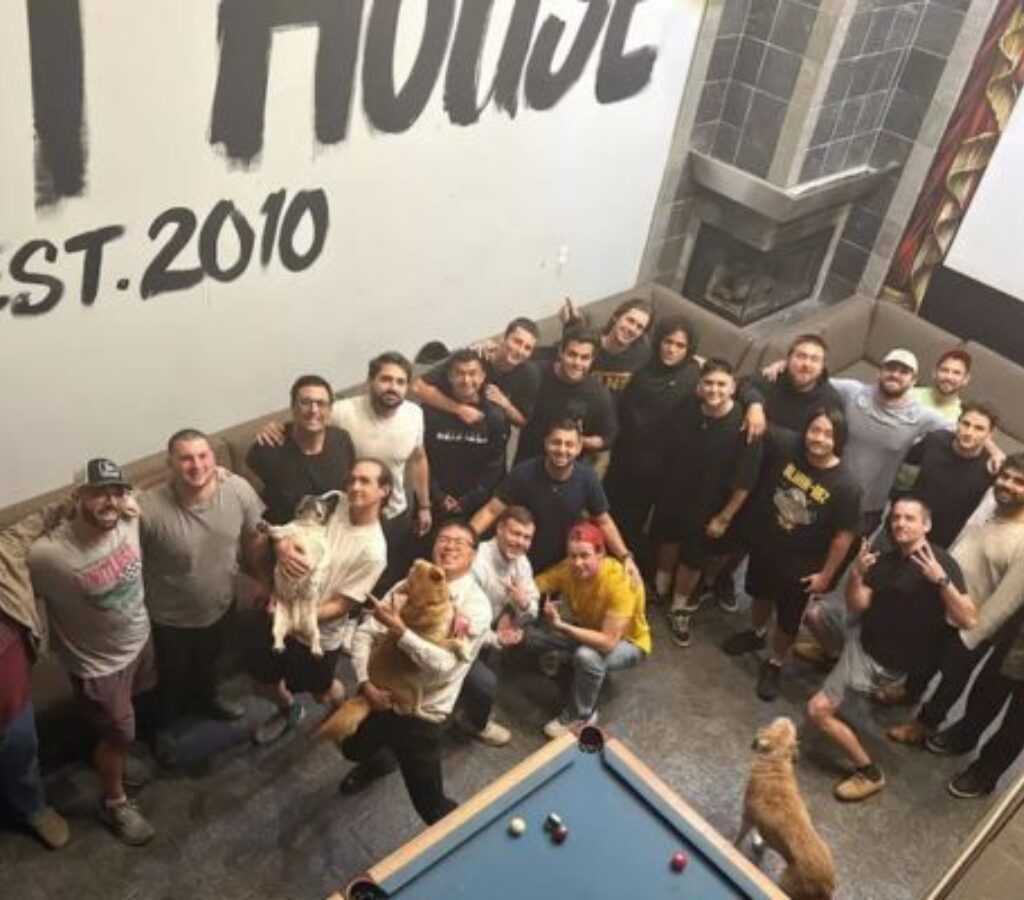
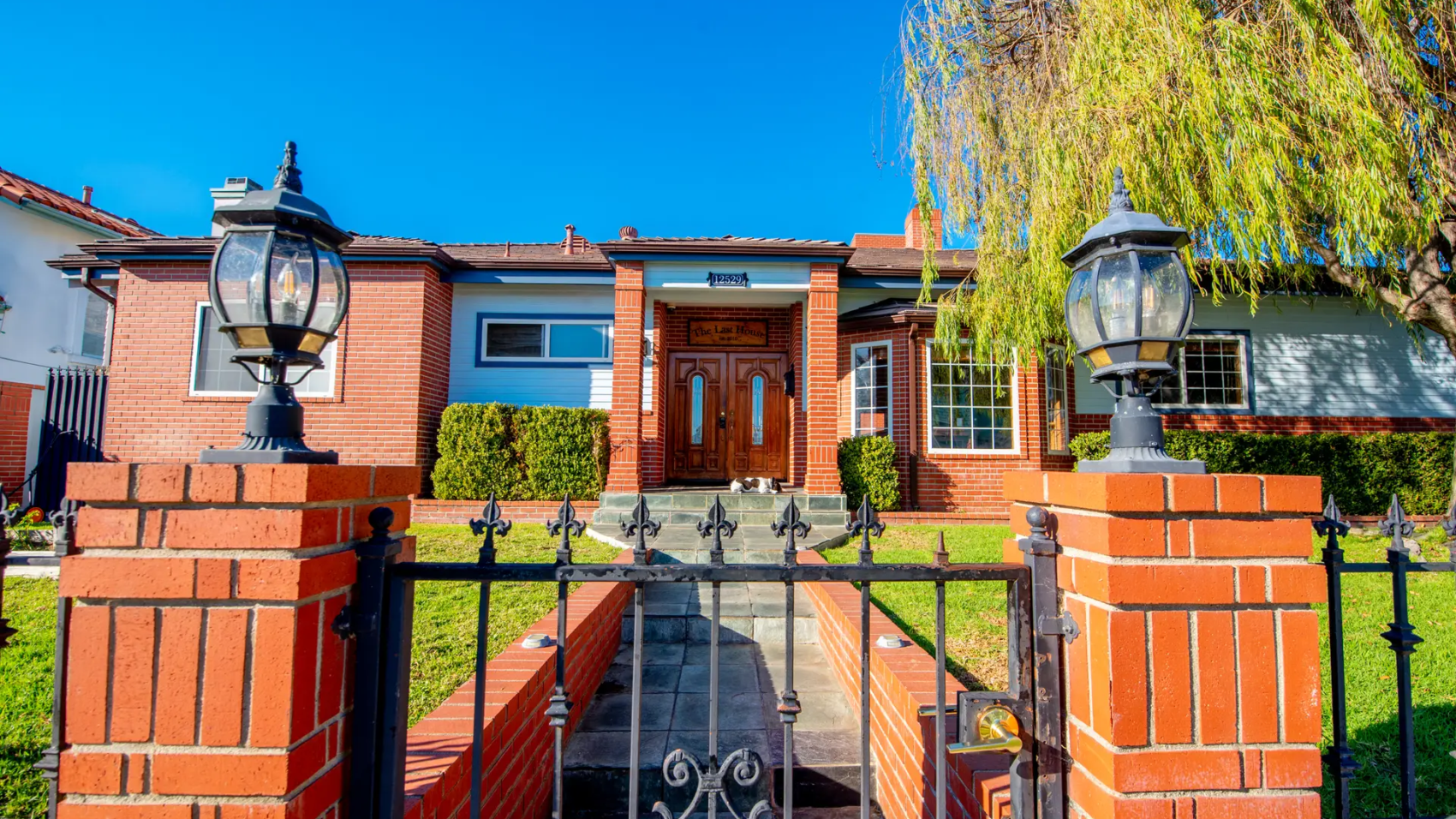
The Last House sober living, a place that recovering addicts and alcoholics can call home.
Early recovery is fragile. It is the phase where someone begins to rebuild their life after the chaos of addiction, often while still wrestling with cravings, emotions, and the weight of past mistakes. For young men who are newly sober, a sober living home can be the bridge between treatment and true independence. But not all sober living environments are created equal. So what actually makes a sober living home great?
At The Last House, we believe that five essential elements create the foundation for a transformative sober living experience: accountability, structure, community, routine, and peer support. When these elements are done right, young men do not just stay sober — they begin to thrive.
Accountability
Accountability is one of the most powerful tools in early recovery. When someone has lived for years in denial, chaos, and impulsivity, learning to be responsible for their words and actions is a major shift. A great sober living home creates clear expectations and holds residents accountable to them.
This can include curfews, chore lists, meeting attendance, drug testing, and consistent communication with staff. But true accountability goes deeper. It is not just about following the rules — it is about becoming a man of integrity. At The Last House, residents are encouraged to own their mistakes, clean up their side of the street, and take responsibility for their growth. When a client makes a poor decision, the goal is not to punish them — it is to help them learn. This mindset fosters maturity and trust, and it sets the stage for long-term sobriety.
Structure
Structure is the backbone of a great sober living home. Without it, the risk of falling back into old habits increases dramatically. Chaos is comfortable for someone who is newly sober — after all, that is what they are used to. But recovery requires discipline, and discipline starts with a structured environment.
A structured sober living home provides a clear framework for daily life. This can include mandatory morning routines, curfews, weekly schedules, group meetings, and consistent house expectations. It is not about being controlling. It is about creating a space where healthy habits can develop.
At The Last House, we design structure to mirror real life. Clients wake up early. They go to 12-step meetings. They participate in house responsibilities. Many begin working part-time, attending school, or doing service work. The result is a smooth transition into the real world — one where structure is not a foreign concept, but a familiar foundation.
Community
Addiction is a disease of isolation. Sobriety, on the other hand, is a journey of connection. One of the most important ingredients in any great sober living home is the community that lives within it. Who surrounds you matters. Who you grow with matters.
In a great sober living home, community is not just about sharing a house. It is about building a brotherhood. At The Last House, we foster a community where young men support one another, challenge one another, and hold each other up when things get hard. It is common to see clients going to meetings together, playing sports on the weekends, cooking meals, or just hanging out and talking about life.
This kind of environment creates accountability and belonging at the same time. It helps clients learn to navigate relationships, communicate effectively, and become better friends, brothers, and teammates. More importantly, it helps them realize they are not alone.
Routine
Without routine, most people feel ungrounded. For someone in early recovery, that instability can be dangerous. A great sober living home promotes consistency through routine, helping residents rebuild their lives one day at a time.
Routine does not just mean waking up and making your bed. It means having a predictable rhythm to each day and each week. At The Last House, our routine includes morning meditation, house meetings, therapy or IOP sessions, job search support, nighttime check-ins, and recovery-related goals. Each day has intention. Each task has a purpose.
Over time, these routines become habits. And those habits begin to shape character. Residents start to experience the freedom that comes from consistency. They learn how to show up — not just for others, but for themselves.
Peer Support
One of the most underrated aspects of sober living is the peer-to-peer mentorship that happens naturally when a program is run well. In a great sober living home, new clients look up to the ones who have been there longer. They learn by example. They ask for advice. They watch what it looks like to live with humility, take direction, and grow through struggle.
At The Last House, this kind of peer support is built into the culture. Alumni return to share their experience. Senior house members mentor new clients. It is not a rigid hierarchy — it is a living example of what recovery looks like over time. When a client sees someone who was in their shoes a few months ago now thriving, it gives them hope. And when a client who is doing well is asked to be of service to someone newer, it gives them purpose.
Peer support is not about being perfect. It is about walking the path together. And that makes all the difference.
Leadership and Staff Involvement
Behind every great sober living home is a team of staff members who care deeply about the residents. Leadership sets the tone. If staff are checked out, inconsistent, or disconnected, it creates a culture of apathy. But when staff are engaged, intentional, and connected to the mission, residents thrive.
At The Last House, our staff are not just there to supervise — they are mentors, role models, and guides. They know the names, the stories, and the struggles of each client. They are present in house meetings, at events, and on the sidelines during weekend volleyball games. That kind of leadership cannot be faked. And residents feel it.
At The Last House Sober Living in West Los Angeles, we know that sobriety is more than just abstaining from drugs and alcohol. It’s about building a life that feels full, connected, and fun. That’s why every Saturday, we do something different. We get outside. We get active. We laugh together. We make memories. But most importantly, we strengthen the bonds that hold us accountable and keep us moving forward in our recovery. These Saturday events aren’t just an afterthought or a bonus—they’re a core part of the treatment experience we offer our residents. They give structure, purpose, and joy to the weekend, a time that can otherwise feel unstructured or triggering during early recovery.
Each week, one of the guys is responsible for planning the event. This keeps everyone involved and invested. It encourages leadership, creativity, and participation. Sometimes the event is high energy, like a basketball game or a competitive pickleball match. Other times, it’s more laid back, like a beach day in Santa Monica or watching a UFC fight as a house. No matter what the activity is, the goal is the same: to enjoy life sober, to build trust, and to create community. That’s what sets The Last House apart from other Los Angeles sober living homes. We believe that treatment doesn’t end with therapy sessions—it lives in the real world, in these moments of connection and shared experience.
Many of our Saturday events take place in and around the neighborhoods of West Los Angeles. Whether we’re exploring a museum downtown, hiking in Malibu, mini golfing in Sherman Oaks, or hosting a backyard barbecue at the house, the city becomes a playground for sober living. Los Angeles is filled with opportunities for fun that don’t require substance use, and part of our mission is to reintroduce our residents to these kinds of experiences. When you remove drugs and alcohol from your life, there’s a fear that you’ll never have fun again. But we prove that wrong every weekend.
Planning and leading the Saturday event is also a chance for residents to step into a new level of responsibility. For guys who have been living in chaos or isolation, it’s powerful to take ownership of something that brings people together. It could be as simple as organizing a water balloon fight in the backyard, or as involved as booking a trip to the museum and making sure everyone has a ride. But no matter the scale, the act of planning it matters. It builds self-esteem. It gives purpose. It shows the guys that their ideas and effort can impact others in a positive way. And in recovery, that sense of purpose is everything.
A Resident at the Last House Sober Living in West Los Angeles playing basketball during a saturday house event.
The camaraderie that grows through these Saturday outings is one of the most important parts of our long-term recovery model. Sober living isn’t just about avoiding relapse—it’s about learning how to live. And no one does that alone. These group experiences create real bonds. The kind that carry over into weekday life. The kind that help someone feel safe enough to share honestly in a group. The kind that get someone to speak up when they’re struggling instead of keeping it to themselves. By laughing together, sweating together, even just hanging out together, we build the kind of trust and loyalty that turns a group of guys into a brotherhood.
There’s also something healing about play. After months or years of pain, burnout, and chaos, it’s a relief to just let loose. To chase a volleyball across the sand. To yell at the TV during a football game. To goof around at a miniature golf course or roast each other over burgers during a backyard cookout. These aren’t childish activities—they’re reminders that joy is allowed. That you can be sober and still feel light. Still feel free. Still feel human.
Our Saturday events also serve as an important accountability tool. Everyone is expected to show up, participate, and be present. It doesn’t matter if someone’s been having a hard week—they’re encouraged to show up anyway. And what often happens is that guys who didn’t feel like joining end up laughing the hardest. They feel better by the end. They feel included. That kind of momentum matters in recovery. When you consistently show up for your peers, you start to show up for yourself.
Over time, these events create a rhythm. Something residents can look forward to. Something they can count on. Structure is vital in early sobriety, especially for those coming from inpatient treatment or chaotic environments. Having a consistent weekly event that blends fun with structure reinforces that life in recovery is both stable and exciting. It helps bridge the gap between the treatment world and the real world. It makes the idea of sober adulthood less scary and more inviting.
Saturday events also become something our alumni remember and cherish. Many of the guys who have graduated from The Last House still talk about their favorite outings. They remember the spontaneous laughter, the awkward attempts at new sports, the moments of connection. These experiences become part of the story they carry with them into long-term recovery. And for those who stay involved with the house after graduation, they often come back to participate or even help plan future events. That sense of continuity reinforces the community aspect of what we do. It turns sober living into a lifelong brotherhood, not just a temporary program.
In a city like Los Angeles, where temptation and distraction are everywhere, creating intentional moments of fun and fellowship becomes even more important. West Los Angeles in particular is filled with nightlife, entertainment, and high-paced living. But there’s also incredible natural beauty, cultural richness, and creative energy. Our Saturday events help residents reconnect with the parts of the city that support their recovery. They get to experience museums, beaches, sports, and community events in a new light. Not as places to party, but as places to grow. Places to live. Places to thrive.
The Last House is not just another Los Angeles sober living home. We are a structured, purpose-driven community that understands the importance of shared experience in recovery. Our Saturday events are not optional add-ons—they are pillars of our program. They help our residents build friendships, take initiative, and rediscover joy. They remind everyone that sobriety is not an end, but a beginning. A beginning filled with laughter, adventure, and real connection.
So whether we’re on the basketball court, swimming in the ocean, or just hanging out in the backyard throwing water balloons, we’re doing more than just killing time. We’re building lives. We’re rebuilding trust. We’re showing up for one another. And we’re proving, every single week, that life in recovery can be exciting, meaningful, and absolutely worth it.
The Last House Sober Living goes for a hike in Los Angeles for a saturday house event.
At The Last House Sober Living, we know that recovery doesn’t happen in isolation. Families play a huge role in the healing process, and the way they approach their loved one’s recovery can either support long-term change or unintentionally create barriers. That’s why we put just as much emphasis on family support as we do on helping our residents rebuild their lives.
We believe that when families develop the right mindset toward recovery, half the battle is already won. Shifting old patterns, letting go of codependency, and learning how to trust the process is not easy—but it is necessary. Our family coaching program is designed to walk families through this process, giving them the tools, perspective, and support they need to grow alongside their loved one.
Why Family Coaching Matters
Recovery is rarely just about the individual. Addiction impacts everyone, and families often develop patterns of fear, frustration, enabling, or over-involvement as they try to navigate the chaos. By the time someone enters sober living, their loved ones are often exhausted and unsure of how to help.
That’s where family coaching comes in. We provide families with a safe space to express their concerns, ask questions, and learn healthier ways to approach recovery. The truth is, recovery doesn’t just mean sobriety—it means creating a new way of living. Families who engage in coaching gain perspective, break free from codependent habits, and learn to offer support without losing themselves in the process.
Weekly One-on-One Family Coaching
Every family at The Last House receives weekly one-on-one coaching sessions with our program director. These meetings are private, focused, and tailored to each family’s needs. During coaching sessions, families have the opportunity to share concerns about their loved one’s progress and ask questions about recovery milestones and challenges. They receive direct feedback from our experienced staff on the best ways to approach difficult situations. Families also begin learning strategies that help them set boundaries, reduce enabling behaviors, and encourage their loved one to take responsibility for their own recovery. This direct, consistent communication helps families feel supported while also giving them clarity about what’s happening in their loved one’s recovery journey.
Family Support Group
In addition to private coaching, we also provide group support for families. These groups create a sense of community and connection, reminding families that they are not alone in this journey. Our family groups take place on the first three Mondays of every month, with each week offering a different type of support.
On the first and third Monday, we hold open share meetings. These meetings are modeled after Al-Anon, beginning with a topic to guide discussion, and then allowing families to share openly about their experiences. Families often find comfort in realizing that others have walked the same path. Hearing stories of hope and resilience from families who are further along in the process provides encouragement and perspective. Just as importantly, families begin to see that their challenges are not unique, and that recovery is possible for everyone.
On the second Monday of each month, we hold a skills-based group led by Dr. Lynn Salvatore. These sessions focus on Dialectical Behavior Therapy, or DBT, a set of practical tools designed to manage emotions and improve communication. Families learn skills like mindfulness, distress tolerance, and ways to communicate effectively, which help them manage their own emotions while also giving them a clearer understanding of what their loved one is learning in treatment. By seeing these same skills in action, families can better connect with and support the changes happening at home.
Building Healthier Family Mindsets
At the heart of family coaching at The Last House is the idea of shifting mindset. Families who are overly focused on control or fear often struggle to allow the recovery process to unfold naturally. Our coaching helps families move away from unhealthy dynamics and toward healthier, more sustainable support.
A major focus of our work is helping families reduce codependency. Many loved ones lose themselves in the process of trying to manage or control their child, sibling, or partner’s recovery. Coaching teaches them how to care for themselves while still being present for their loved one. Families also learn how to encourage independence, understanding that their loved one’s recovery is about personal growth and accountability. Allowing residents space to practice responsibility is often one of the most loving actions a family can take.
We also help families learn how to trust the process. Recovery takes time, and progress is not always linear. Families are guided to let go of unrealistic expectations and to focus on the long-term path rather than short-term frustrations. As these skills are practiced, families strengthen their ability to communicate in healthy ways and rebuild trust within their relationships. This transformation doesn’t just benefit the resident in recovery—it creates lasting change for the entire family.
Why Families Choose The Last House
Many treatment programs focus exclusively on the individual, but at The Last House, we know that lasting recovery requires family involvement. Our combination of weekly one-on-one coaching, open share groups, and DBT skill-building sets us apart. Families who participate in our program walk away with a much clearer understanding of addiction and recovery, as well as practical tools for managing their own emotions and responses.
They also develop a strong sense of community by connecting with other families who are experiencing similar challenges. Over time, they gain the confidence to trust their loved one’s recovery process without feeling the need to micromanage or enable. Most importantly, families begin to heal right alongside their loved one, creating an environment that supports growth and long-term success.
The Lasting Impact of Family Coaching
When families invest in their own growth, recovery becomes a shared journey instead of a one-sided struggle. Parents, siblings, and partners often report that they feel lighter, more hopeful, and better equipped to handle challenges after participating in our program. Over time, these families become some of our strongest advocates, offering encouragement to new families just starting out. The process of sharing experiences and learning together creates a ripple effect that strengthens the recovery community as a whole.
At The Last House Sober Living, we believe that family involvement is not optional—it’s essential. By helping families develop the right mindset, we set the stage for lasting recovery. Weekly coaching, family groups, and DBT skills training create a powerful foundation for change, not only for our residents but also for the people who love them most. Recovery is not just about abstaining from substances—it’s about building a healthier way of life. With the right support, families can stop living in crisis and start living in connection, trust, and hope. That’s the difference family coaching makes, and that’s the difference The Last House provides.
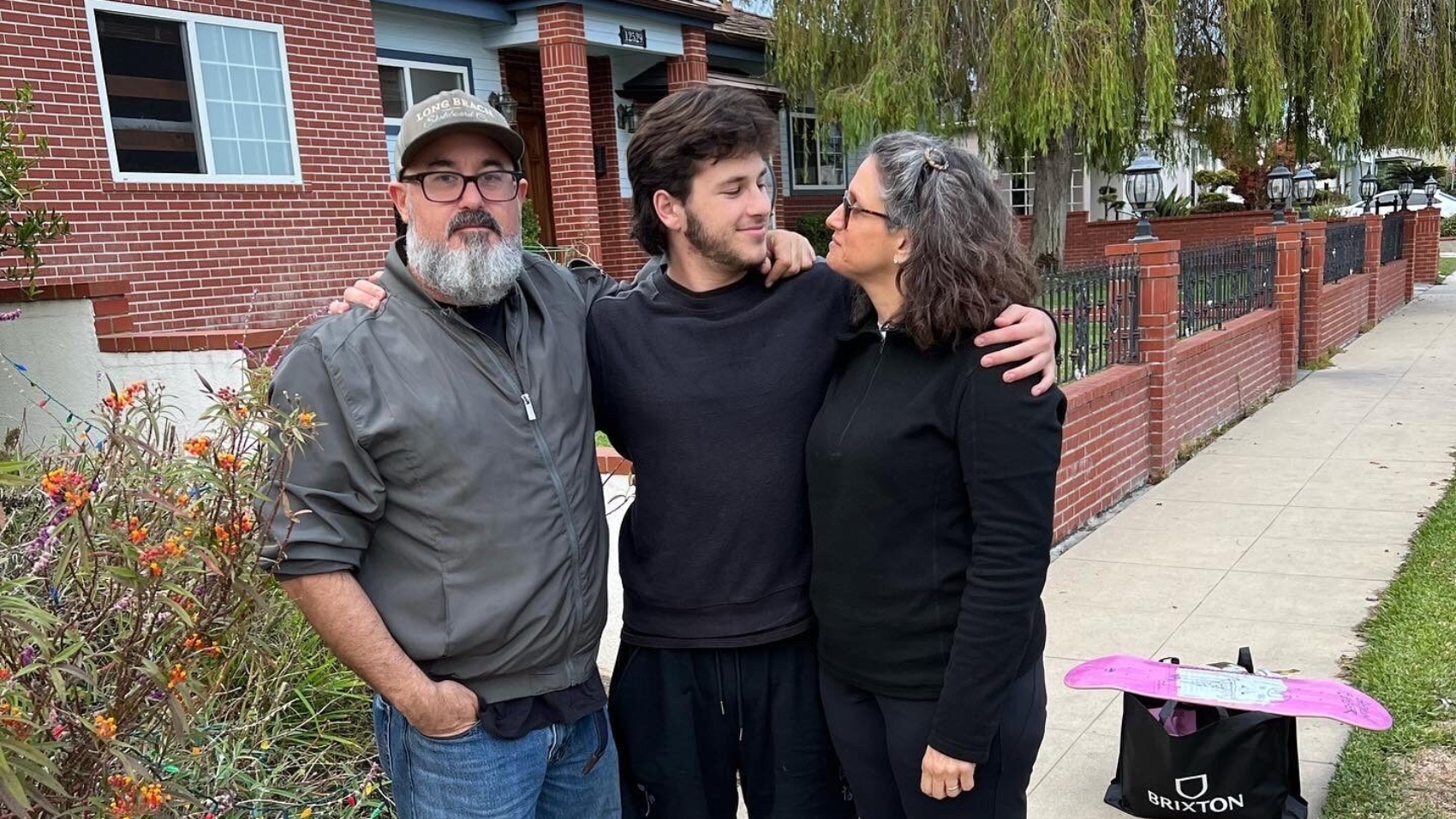
This is a Last House Sober Living graduate reunited with his family after doing the hard work together.
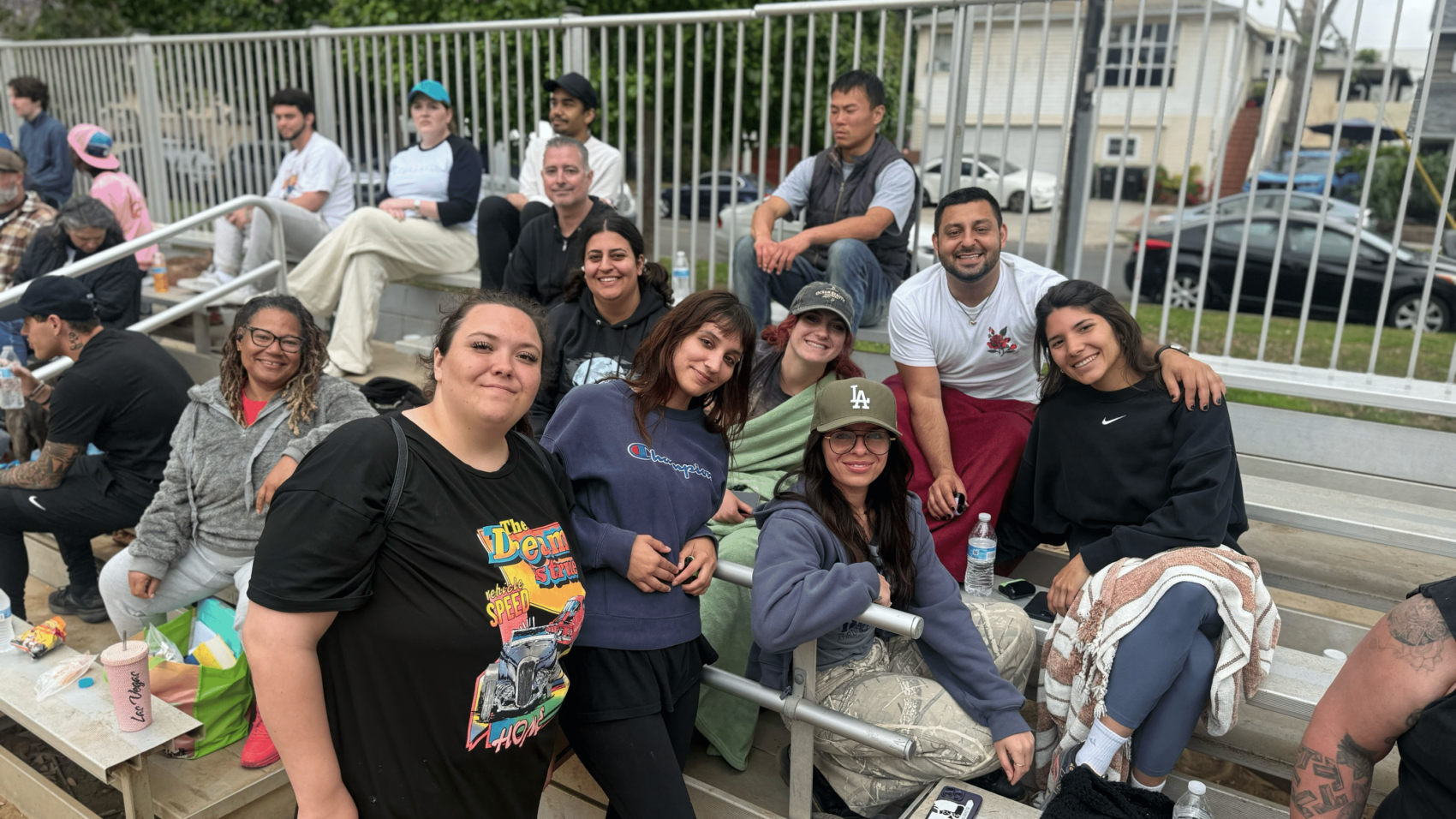
This past weekend, The Last House Sober Living hosted its 6th annual softball tournament — and it was one for the books. The energy was high, the sun was out, and the sense of community was stronger than ever.
The Bluffs Women’s Sober Living, The Last House, and The Nook Men’s Sober Living all came out ready to play. Alongside them were Thrive staff, alumni, and even a few families cheering from the sidelines. Everyone was in it together.
What made this year different was the focus on fun and unity. Instead of sticking with the usual teams, we mixed it up and picked teams at random. It wasn’t about winning. It was about connecting. Most of the players already knew each other from other house events like the Cozy Social — a monthly get-together where people in the program come together to check in, share laughs, and build real friendships.
In the weeks leading up to the tournament, the sober livings had been practicing together. It wasn’t just about getting better at softball. It was about showing up for one another. We’d blast music during practice, mess around, and enjoy simply being outside together. That same energy carried through to game day.
Families showed up to support their loved ones and take part in the celebration. There were hugs, high-fives, and plenty of moments that reminded everyone why we do what we do.
This tournament wasn’t just about the game. It was about the people. About showing that recovery can be full of laughter, connection, and joy. That even after everything, we can still come together, play ball, and make some real memories.
Here’s to another year of building each other up — on and off the field.
A Last House Sober Living Success Story. Brennan Young’s own words on his journey to sobriety and his thoughts on his future. Here from this amazing young man.
Let’s face it—life today can feel overwhelming. Social media, junk food, endless streaming—it’s all designed to grab your attention and keep you hooked. All these things trigger your brain’s dopamine system, giving you little hits of “feel-good” chemicals. But here’s the catch: the more you chase those quick dopamine fixes, the harder it becomes to enjoy the deeper, more meaningful rewards in life.
If you’re recovering from drugs and alcohol or dealing with mental health struggles, this hits even harder. Addiction rewires your brain to crave those instant highs, and even when you’re sober, that pattern can linger, making it tough to feel happy or fulfilled. This is where the idea of a dopamine detox can make a huge difference.
At The Last House in Los Angeles, our long-term sober living program is designed to help you hit the reset button on your brain, build healthy habits, and find joy in the little things again. By combining structure, a strong sober community, and support for your mental health, we help you replace unhealthy patterns with a life full of purpose, confidence, and real connection. Let’s break it down.
What Is a Dopamine Detox?
First off, let’s clear something up—a dopamine detox isn’t about getting rid of dopamine. Dopamine is a natural and essential brain chemical that helps with motivation, pleasure, and reward. The goal of a dopamine detox is to reset your brain by stepping back from unhealthy sources of dopamine, like drugs, alcohol, social media, or impulsive habits, and refocusing on healthier ways to feel good.
For someone recovering from addiction, this is huge. Drugs and alcohol hijack your brain’s dopamine system, flooding it with “false” pleasure that throws everything out of balance. Over time, this makes it harder to enjoy the simpler, slower joys in life, like a good conversation, a workout, or even just feeling proud of yourself for accomplishing something.
A dopamine detox helps you break free from those quick-fix cravings and retrain your brain to find happiness in meaningful, lasting ways. And when you’re working through mental health challenges, like anxiety or depression, a dopamine detox can also help you find stability, balance, and calm.
Why Routine Is Key to Recovery
If dopamine detox is about resetting your brain, routine is the tool that makes it happen. Routine creates structure in your day, helps you stay focused, and builds a sense of stability—something that’s often missing when you’re battling addiction or mental health struggles.
At The Last House, we put a big emphasis on routine because we know it’s a game-changer for recovery. Here’s why:
1. It Boosts Productivity
When you have a clear structure for your day, it’s easier to focus on the things that matter. Instead of feeling overwhelmed or distracted, you can work on what’s in front of you—whether that’s going to therapy, exercising, or learning a new skill.
At The Last House, we help you create a schedule that keeps you moving forward. And trust us, those small wins—like completing your chores or showing up for group meetings—start to add up in a big way.
2. It Builds Self-Esteem
One of the hardest things about addiction and mental health struggles is how they mess with your self-worth. But here’s the good news: every time you stick to your routine and follow through on something, you’re proving to yourself that you can do it.
Those little moments of success—cleaning your room, finishing a project, or simply getting out of bed when it’s hard—build self-esteem over time. At The Last House, we celebrate these victories because they’re the foundation for a confident, independent life.
3. It Improves Confidence
When you follow a routine consistently and see the results, you start to believe in yourself. Maybe it’s noticing you feel stronger after working out, seeing progress in your mental health, or realizing you’re staying sober even when life gets tough. That consistency builds confidence—and confidence helps you face challenges head-on.
4. It Retrains Your Brain
The more you stick to healthy habits, the more your brain adapts. Routine helps rewire your brain to find joy in long-term rewards instead of chasing short-term highs. Over time, this rewiring makes it easier to choose activities that support your recovery and mental health.
Why The Last House Is Perfect for a Dopamine Detox
Recovering from drugs and alcohol, working through mental health challenges, and retraining your brain aren’t things you can do alone. At The Last House, we’ve created a long-term sober living program that provides the perfect environment for growth, healing, and connection. Here’s how we help:
1. Structure and Accountability
We know how important it is to have structure, especially in early recovery. That’s why we provide a daily schedule filled with productive activities, group support, and plenty of time for self-care. Whether it’s attending therapy, participating in house chores, or joining group outings, having a clear plan for your day keeps you grounded and moving forward.
2. A Strong Sober Community
One of the most powerful things about The Last House is the sober community you’ll become a part of. Recovery is hard, but having people around who “get it” makes all the difference. Whether it’s sharing stories during a bonfire at Dockweiler Beach, bonding over a hike in Los Angeles, or simply hanging out, the friendships you build here provide a sense of belonging and support.
3. Fun, Healthy Activities
Let’s be real—sober living doesn’t have to be boring. At The Last House, we plan activities that make life in recovery exciting and fun. From beach days and sports to creative projects and community service, these experiences help you rediscover joy in simple, healthy ways. Plus, they’re a natural way to reset your dopamine system.
4. Support for Mental Health
We know that addiction and mental health struggles often go hand in hand. That’s why we create a space where you can work on both. With access to therapy, mindfulness practices, and tools for managing stress, we help you address the deeper challenges that come with recovery and mental health.
5. Life Skills for Long-Term Success
Recovery isn’t just about getting sober—it’s about building a life you’re excited to live. At The Last House, we help you develop skills that set you up for success, whether that’s cooking, managing finances, or finding work. These practical tools are key to feeling confident and independent.
Rediscovering Joy and Confidence in Recovery
Recovery is more than just quitting drugs or alcohol—it’s about learning how to enjoy life again. A dopamine detox, combined with structure, support, and community, can help you reset your brain and find fulfillment in the everyday moments that make life meaningful.
At The Last House, we’ve created a program that’s not just about getting sober—it’s about thriving. With our structured routines, strong sober community, and focus on mental health, we help you build the habits, skills, and mindset you need for long-term recovery.
If you’re ready to break free from old patterns, heal your mind, and create a life you love, we’re here to help. Contact The Last House in Los Angeles today, and let’s take the next step in your recovery journey together.