4362

Changing the Stigma of Addiction

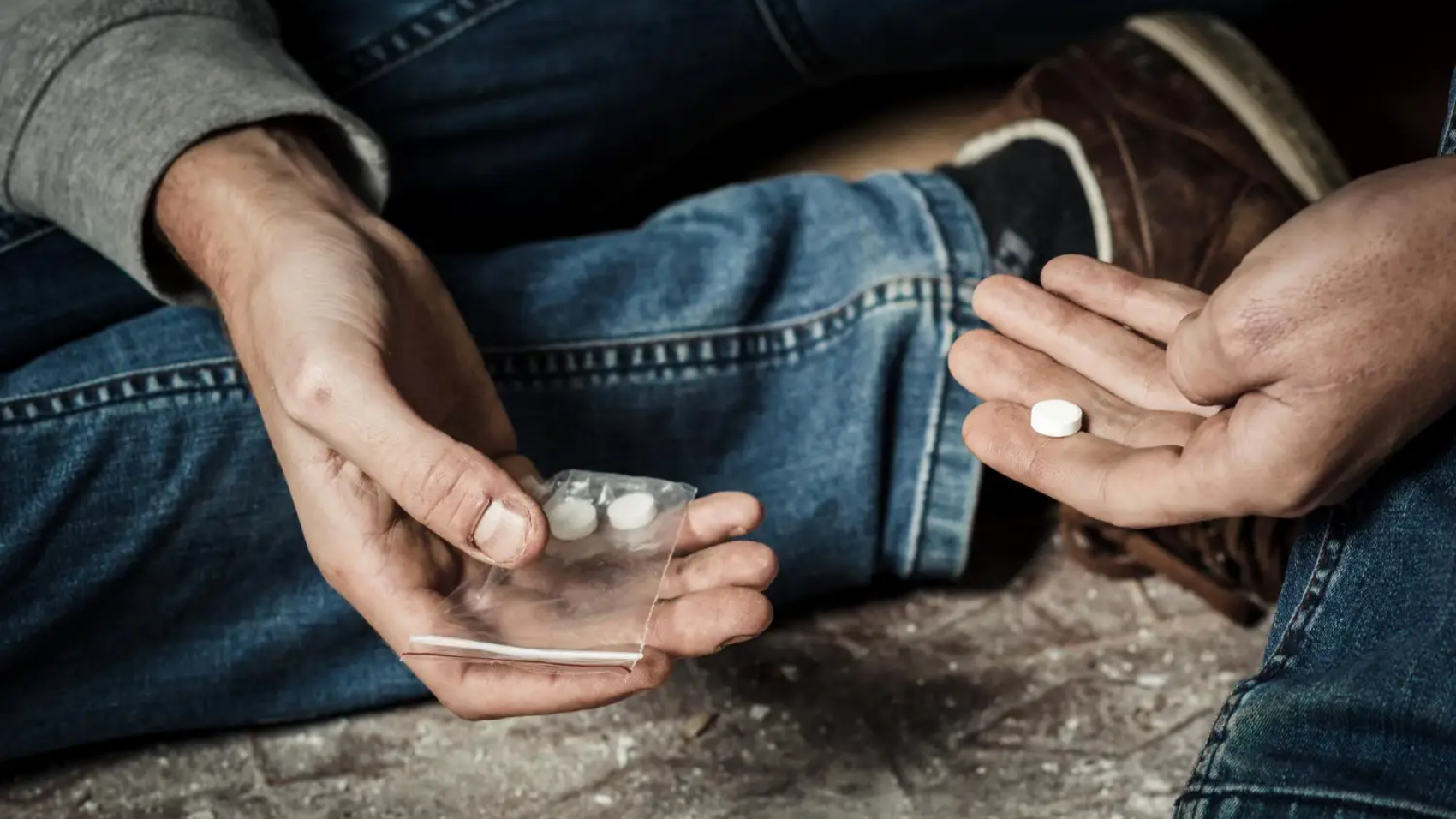
One of the most haunting aspects of living life as an individual recovering from an addiction is the fact that millions of people live in ignorance as to what addiction actually is. It is quite unfortunate that the minds of many Americans have been twisted into believing that addiction is something that only happens to the dregs of society, instead of the truth: addiction can happen to anyone.

The stigma of addiction is an issue that has plagued America for years, and while there have been substantial efforts to reverse it, it is up those of us that have suffered through it, triumphed over it, and moved on from it to increase awareness about the horrors of addiction, and the devastating effects misunderstanding it can bring on individuals and communities.

Addiction is not an individual, nor does it define an individual. Much like any other disease, addiction is a sickness that an individual develops over time, and treatment plans must be followed in order to recover from it. Individuals that suffer from addiction do exhibit symptoms that are both psychological and physical, but these symptoms can be reversed with the proper care and recovery lifestyle. Noting that addiction is a disease removes the power of inflammatory words used to describe those afflicted with it.

For instance, saying someone is “dirty” or “clean” in reference to whether or not an individual has used a substance, for instance, suggests that their disease somehow defines them and affects their cleanliness when addiction has nothing to do with cleanliness at all. Furthermore, referring to an individual as an “addict” or “druggie” dehumanizes them and suggests that their affliction somehow defines their value as a person, which couldn’t be further from the truth. Addressing addiction as the disease it is is the first step to defining power over it and eliminating these wrong assumptions.

Addiction can affect anyone. The vast majority of the American populace has consumed an illegal substance or alcoholic beverage, more than likely without the slightest idea of the propensity it had to wreak havoc on their lives for years to come. Their not getting addicted was as much of their doing as another’s getting addicted was of his own. The fact of the matter is that addiction can claim anyone, and it pays to understand that in order to fight the damaging stigmas of addiction.

At The Last House, we focus on turning men into gentlemen by championing collaboration, brotherhood, and respect. We offer long-term care after primary treatment, and our men go on to become pillars of their respective communities when they leave us. All men can become gentlemen. After treatment, we’re here to help you with that. Call (855)998-5278 for help today.


warren-WukitUSJRgY-unsplash

Building a Tribe in Recovery


Recovery is as much of an individual effort as it is a collective one. As you will learn throughout recovery, having others to share your thoughts, dreams, and goals with is fundamental to an efficient recovery process.

There are a few ways to ensure that the people you surround yourself with after treatment are individuals who will champion your recovery and support you when you need it most. That’s why at The Last House, we ensure that you are surrounded with other strong, independent men that are going through very similar life experiences. In our eyes, brotherhood is one of the most important bonds you can make in recovery, and we strive to incorporate the spirit of collaboration in everything we do at the facility.

The first thing to be sure of when choosing friends, colleagues, or individuals to hang out with is that there is a consensus on the types of activities you all will engage in. Of course, at The Last House, our structured and focused paths ensure that you don’t have to worry about deciding activities, but you will inevitably make friends outside of our program as well. Be sure to choose activities with these friends that, like here at our sober living facility, support and promote your recovery process. If you suffered from alcoholism, for instance, bars, pubs, parties with liquor, and even events as seemingly innocuous as wine tastings aren’t the best idea. If you recovered from substance addiction, it is wise to avoid the places you used to frequent, and swap them out for activities like soccer, or pickup basketball.

Additionally, you must understand that the world goes on in sobriety, meaning, you will not be able to change the activities of others around you. That’s why here at The Last House, we teach our men to be strong enough and confident enough in themselves to live in accpetance, and still live life to the fullest without being tempted to compromise their sobriety. There’s nothing quite like the tribes of hardworking, intelligent, confident men that we work so hard to build here at The Last House. By learning to collaborate, learn, and love with them, you’ll be well-equipped to handle whatever life throws at you.

Good friends are hard to find, but they can make your journey to sobriety that much more worth it. If you’re struggling with finding your way after treatment, you are not alone. Find your tribe here at The Last House, and learn to make recovery work for you. Just dial (855)998-5278 any time of day or night. We can’t wait to meet you!

jp-valery-DE9MM2voqKc-unsplash

Am I Suffering From Insomnia?


Am I Suffering From Insomnia?

Most people experience periods of time when they have difficulty falling asleep or staying asleep, however for those with insomnia this is an ongoing struggle. Insomnia affects 30-40% of Americans a year and can have detrimental affects.


What is insomnia?


Insomnia is on going and includes a range of sleep disorders. The three most common types, Transient Insomnia, Acute Insomnia and Chronic Insomnia, affect millions of people around the world. Transient Insomnia occurs when symptoms last up to three nights. Acute Insomnia, also called short-term insomnia, is when symptoms persist for several weeks. Chronic Insomnia lasts for months and at time years, and are usually a side effect of another primary problem.


How long does an episode last?


Those with Insomnia have trouble falling or staying asleep and can be affected for a a few nights, weeks, or in chronic cases, months and years.


What causes Insomnia?


Medications and other medical conditions are commonly correlated with insomnia. Medical conditions like allergies/asthma, gastrointestinal issues, endocrine problems, arthritis, neurological conditions, chronic pain especially back pain. Insomnia can also be an indication of another sleep disorder like restless leg syndrome or sleep apnea.


Certain lifestyles can lead to insomnia. For example, taking naps, working at home in the evening, irregular sleep patterns and graveyard hours at work. Other factors that contribute to Insomnia are hormone imbalances and issues within the brain and its neurotransmitters.


In addition to medical conditions or lifestyle, Insomnia is often paired with mental illnesses like anxiety and depression. Substance abuse can also lead to Insomnia because of the stimulants or sedatives. It is not uncommon for those with Substance Abuse Disorder to experience episodes of Insomnia, especially during a binge.


Who get’s insomnia?


Anyone can experience Insomnia however there are certain people that are more prone to it. Travelers, shift workers, elderly, drug users, adolescents and young adults, pregnant women, menopausal women, and those with mental illness.


What are the symptoms?


  • Daytime sleepiness
  • Irritability
  • Memory problems
  • Difficulty concentrating
  • Exhaustion
  • Difficulty falling asleep
  • Waking up during the night
  • Waking up much earlier than desired
  • Depression
  • Anxiety
  • Uncoordinated
  • Headaches
  • Anxiety around sleeping


Treatments?


There are many different types of treatment for Insomnia and everyone’s “sleep hygiene” will vary from person to person. The more common treatments include using relaxation techniques, cognitive behavioral therapy, stimulus control therapy, sleep restriction, medication, sleep journals, sticking to a regular sleep schedule, creating a conducive sleep environment, avoiding caffeine and other substances, putting away technology/screens before bedtime, hypnosis, and mindfulness.


The Last House and Thrive Treatment Centers provide facilities that support a healthy sleep schedule. At these facilities, sleep is an important part of the healing and recovery process professionals understand how much sleep influences recovery.

chris-becker-VnSmGDdKk-E-unsplash

Codependency and Recovery


Codependency and Substance Abuse:


What is codependency?


Before defining codependency, it’s important to differentiate dependence from interdependence. Although these terms sound similar, co-dependence is very different. Having needs and comfortably relying (depending) on others is healthy and a part of life. Interdependence is when both individuals mutually rely on each other and the relationship is equal; this is most ideal.


Co-dependency (often referred to as “relationship addiction”) occurs when someone relies on the other for meeting nearly all of their emotional and self esteem needs. Two individuals who are overly dependent on one another create a co-dependent union. Often times, co-dependent relationships are one-sided, emotionally destructive and abusive.


This emotional and behavioral condition was identified about ten years ago in a study focusing on relationships in families of alcoholics and since then has been identified outside of homes with substance abuse. Co-dependency impairs an individual’s ability to have a healthy and mutually satisfying relationship. This disorder is serious and has profound affects on many.


Who is usually co-dependent?


Although originally meant to describe someone or their loved ones with a chemical dependency, co-dependency can occur in spouses, children, siblings, friends, co-workers, etc. Often times, co-dependency occurs in dysfunctional families or families with mental illness.


There are different roles in co-dependent relationships; one individual is more overly-dependent than the other one, thus creating a care-giver role for the individual that is depended on. The care-giver is often referred to as the rescuer or benefactor. Other roles consist of family hero, mascot, adjustor, doormat, the rebel, scapegoat, bully, lost one, or the last hope.


The family hero and the rescuer have similar roles and can identify other’s needs and meet them but is without an understanding of their own needs. The youngest in the family is often times the mascot and uses humor or other things to distract the family away from the problem. The adjuster is never fazed by anything because they never let themselves be too attached to anything or anyone. The doormat is pretty self explanatory and lets other’s take advantage of them by taking most of the abuse.


What causes co-dependency?


Co-dependency is an inter-generational disorder in which the behaviors are learned by watching and imitating other codependent family members. As stated above, dysfunctional families are more prone to codependency. Dysfunctional families transpire when fear, anger, pain, or shame is experienced but ignored or denied. As a result, some members learn to internalize their own emotions and neglect their own needs and in turn their attention and energy are focused on other members of the family, usually the ill or addicted one. Individuals learn that in order to get the love they want from their family members or loved ones, they must sacrifice their own needs and take care of others instead.


Growing up with an unavailable parent will most likely result in co-dependency by the child taking on the role of caretaker and/or enabler. The child may assume responsibility so that the family doesn’t fall apart. When the “parentified” child becomes an adult, they repeat the cycle in their adult relationships.

It’s important for the family and loved ones to be part of this healing process and to understand each of their roles. The Last House Recovery Community and Thrive Treatment  emphasize the importance of family healing as a whole and offers family support.


What are the symptoms of codependency?

The following behaviors are signs that you are in a co-dependent relationship.


  • People pleasing
  • Guilt and perfectionism
  • Difficulty making decisions in your relationships
  • Having poor boundaries
  • Difficulty identifying feelings
  • Extreme or painful emotions that may result in reactivity
  • Denial
  • Difficulty communicating
  • Lack of trust in yourself
  • Poor self esteem
  • Fears of abandonment
  • Obsessions
  • Extreme need for approval
  • A need for control or a sense of responsibility for others’ actions
  • Caretaking
  • Difficulty with intimacy

Co-dependency and substance abuse disorder:


Co-dependency is often times a common and understandable reaction to a loved one with an addiction, especially when it is in full swing. Individuals will go into damage control by trying to fix the person or the family. Many times, family members or loved ones think they are helping the situation or the person with the addiction but are in actuality enabling them. Enabling can appear in a number of ways from being in denial of the addiction, not being honest about feelings and needs, or even providing the user with substances. This cycle goes on until something drastic happens like death or hospitalization.


Treatment for co-dependency?


Recovery from substance abuse and co-dependency usually starts with the user seeking treatment. However, it is just as important for the other loved ones or family members that are co-dependent to seek treatment as well. Individual psychotherapy is very helpful in addition to co-dependency therapy for the members of the dynamic.

wallace-fonseca-G8dAAP0IrRk-unsplash

Failure To Launch Recovery

“Failure to Launch” is characterized in my own experience as a lack of connection to other humans, professional failure which gave rise to social inadequacies. The pain of this experience in my case gave rise to increased drug use and dependence on illicit narcotics in order to feel some form of connection. The dependency on drugs furthered my stagnation due to the impairment they caused and the energy needed to acquire illegal substances. At age 25, I was broke, homeless and unemployable, I had little contact with family and no friends. This cycle had continued to perpetuate itself until it could be arrested by physical detoxification and treated with healing in a community setting.

The first stage of recovery was to break the physical dependence from the drug. In my case, Opiates, which create physical dependence needed to be cleared from my system with the aid of medications that treat the symptoms of detox. It is important to note that this phase alone cannot treat the addiction, I have detoxed medically and non-medically several times. In my case, while still in detox, I was immersed into a community of other addicts who had recovered from addiction and begun meaningful lives as part of a community, they had crossed from Stagnation to Generativity. These other young men are still some of my closest friends.

I was lucky enough to find myself at The Last House Sober Living for Men in Los Angeles, a program where Integrity, honesty, accountability and friendship were the basic tenants of the community. Most other Rehabs I had been to were short term and had the reverse effect where I learned behavior that furthered my stagnation.

In my own experience, the desire to be socially accepted or “one of the guys” encouraged me to follow in the path of what these new friends of mine had done. They had jobs, friends and could buy their own cigarettes, all things I sincerely desired. Feeling socially connected was the basis for me to launch myself into a life of purpose. After gaining traction and finding my first steady job I began to show new guys in the community how I was able to find purpose. The act of “giving back” truly launched my personal growth and self esteem into a realm I had not known was possible. I was on fire, useful, employed and truly connected to my peers.

written by Chris Kirby
Director of Admissions for The Last House Sober Living for Men in Los Angeles and Thrive Treatment